
Wood Window Replacement & Installation in Raleigh, NC
Get in Touch Today!
Wood Windows Can Be Built in Different Ways
Choosing a wood window involves more than deciding that you like the appearance of natural wood. How the wood is incorporated into the window can affect its look, maintenance, and exterior durability.
Real wood creates the interior appearance. Genuine wood can provide the grain, depth, stainability, and architectural detail that draws many homeowners to this material in the first place.
The exterior does not necessarily need to be exposed wood. Some modern products combine a genuine wood interior with a lower-maintenance exterior material, helping homeowners preserve the look of wood inside without requiring the same exterior upkeep.
Wood can be painted or stained. Depending on the product, species, and finish options, the interior can coordinate with floors, cabinetry, trim, built-ins, or other architectural details.
The operating style is a separate choice. Wood or wood-interior construction can be available in double-hung, casement, picture, bay and bow, and other window styles.
The important question is not simply whether a window is described as “wood.” It is where the wood is used, how the exterior is constructed, and whether that combination fits the home and your maintenance expectations.


Are Wood Windows the Right Choice for Your Home?
Wood windows can be an excellent fit when the interior appearance of the window matters as much as the view through it.
They are particularly worth considering in homes with wood trim, detailed millwork, traditional architecture, custom cabinetry, or other interior finishes you want the windows to complement.
Wood can also make sense when you want the ability to use a painted or stained interior finish rather than a standard solid-color frame.
For some homeowners, maintaining the character of the house is the biggest priority. A real wood interior can feel more appropriate in a historic-inspired, traditional, custom, or architecturally detailed space than a material selected primarily for simplicity.
However, wood is not automatically the best material for every project. If the lowest possible maintenance or a simpler frame is the priority, vinyl windows or fiberglass windows may also deserve consideration.
The goal is to choose the material around the home, room, maintenance expectations, budget, and design priorities, not simply because one material sounds more premium than another.

+
Years Experience
What Separates One Wood Window From Another?
Wood Species & Interior Finish
Different wood species have their own grain patterns and appearance. Stain and paint options also affect how well the finished window coordinates with flooring, cabinetry, trim, and other interior materials.
Exterior Protection
One of the biggest differences between wood-window systems is what faces the weather. Exterior cladding or another lower-maintenance material can protect the outside of the window while preserving genuine wood where it is most visible indoors.
Frame & Sash Construction
The way the sash and frame are designed affects sightlines, operation, visible glass, weather sealing, and how substantial the finished window feels.
Glass & Performance Options
Insulated glass, Low-E coatings, grids, specialty glass, and other available options can affect comfort, solar exposure, privacy, appearance, and overall window performance.
Where Wood Windows Can Make the Biggest Difference
Traditional & Character-Rich Homes
Homes with detailed trim, established architectural features, or a more traditional design can benefit from windows that reinforce those existing details rather than visually competing with them.
Living Rooms & Formal Spaces
In rooms where the windows are a major design feature, genuine wood interiors can coordinate with furniture, flooring, built-ins, and other visible finishes.
Kitchens & Custom Interiors
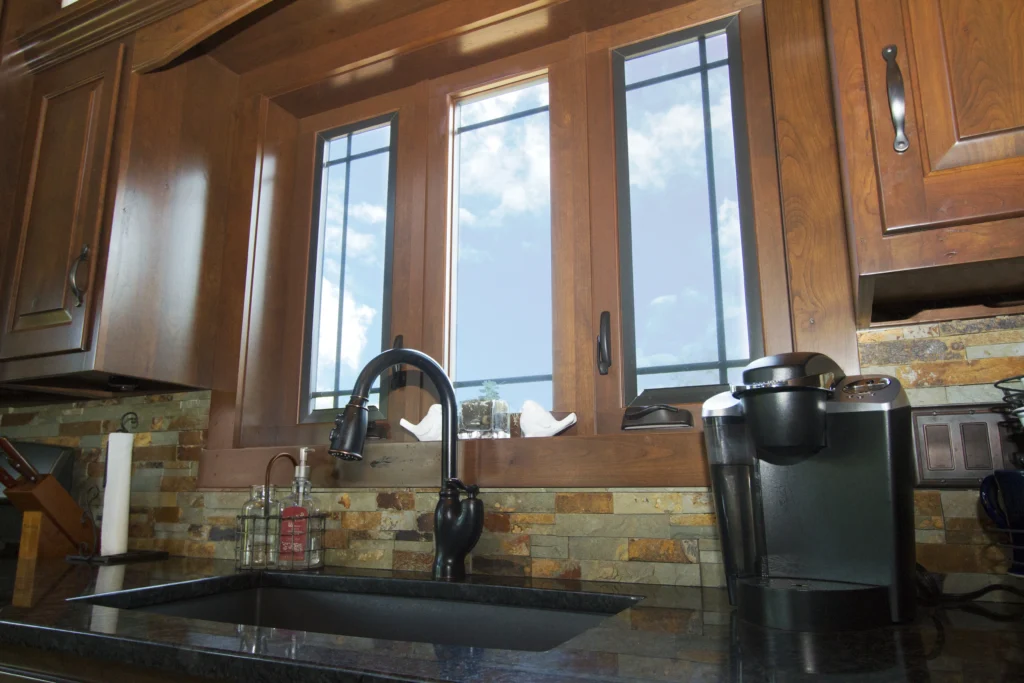
Wood windows can work particularly well where cabinetry, shelving, beams, or millwork already introduce natural wood into the room.
Prominent Architectural Openings
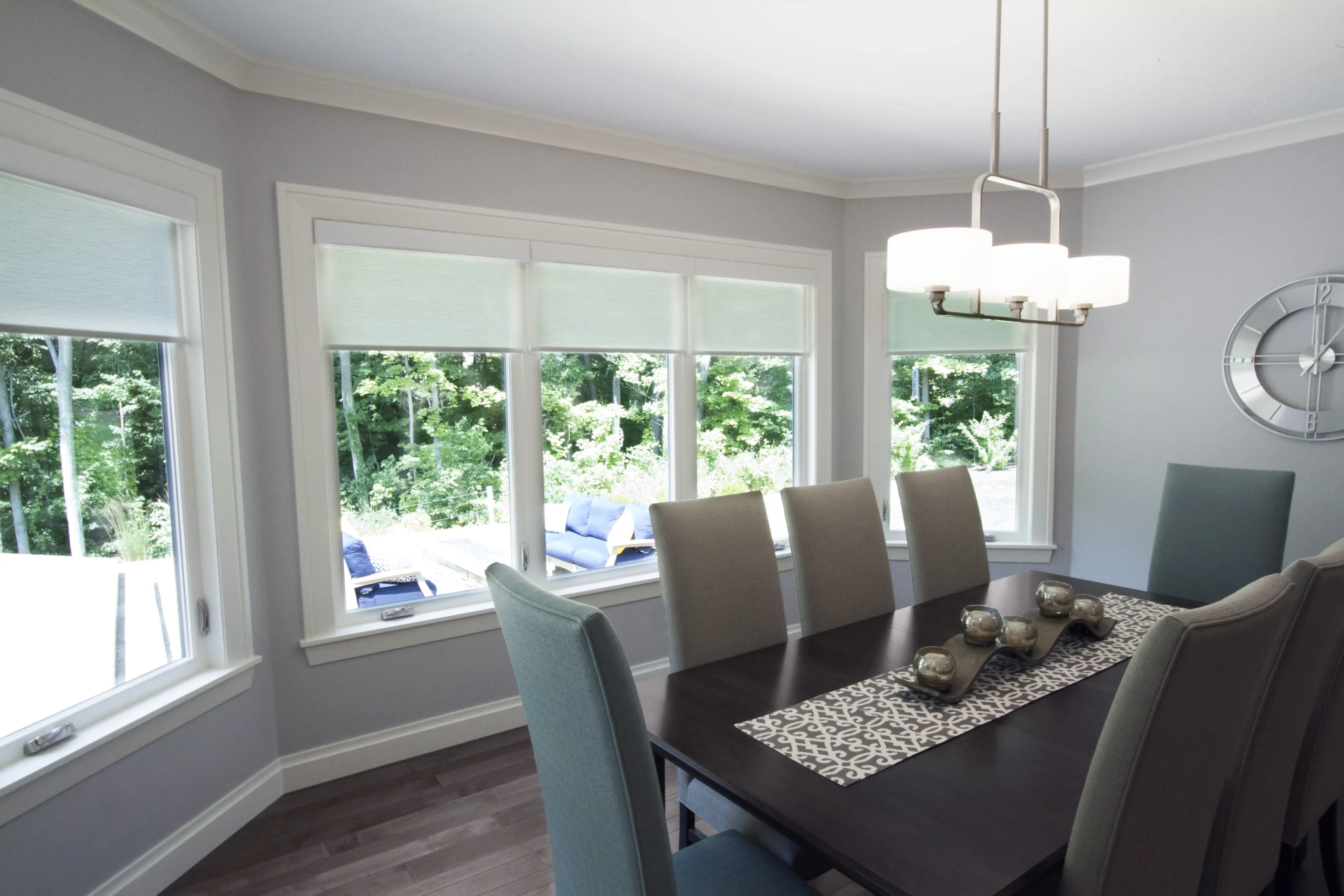
Bay windows, bows, large picture windows, or other focal-point openings can make the window frame itself much more visible, increasing the importance of material and finish.

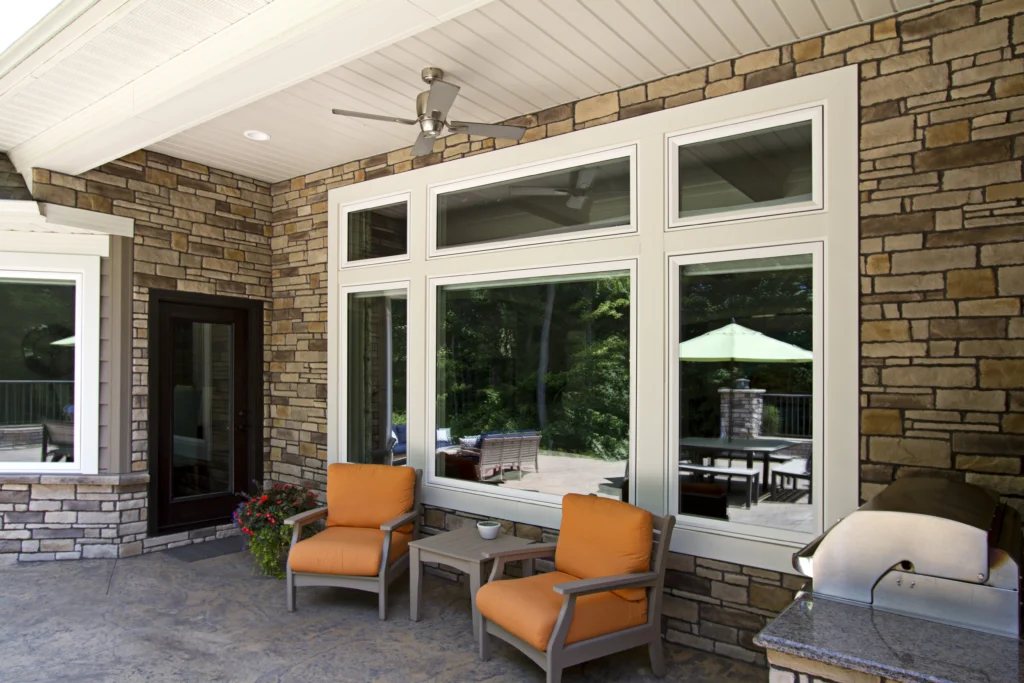


Wood vs. Vinyl vs. Fiberglass Windows
There is no single window material that makes sense for every Raleigh-area home.
Wood and wood-interior windows are worth considering when genuine grain, stainability, interior warmth, and architectural detail are priorities. Modern wood-clad systems can also pair those interiors with a more weather-resistant exterior.
Vinyl windows are typically chosen for lower-maintenance ownership, versatility, and broad availability across styles and price points. They do not provide genuine interior wood, but they can be a practical fit for many projects.
Fiberglass windows provide another lower-maintenance alternative with different frame characteristics and finish options.
The decision becomes easier when you identify what matters most: real wood inside, maintenance outside, frame appearance, available styles, customization, performance features, or project budget.
Kelly Window & Door can help homeowners compare these materials side by side instead of treating one as universally better.
Wood Window Styles for Different Rooms & Home Designs
Wood and wood-interior windows are available in multiple operating styles, so homeowners can keep a consistent material and finish while choosing the function that makes the most sense for each opening.
Double-Hung Wood Windows
Casement Wood Windows
Picture Wood Windows
Slider Wood Windows
Bay & Bow Wood Windows
Specialty-Shaped Wood Windows
Wood Species, Stains, Paints & Design Options
One of the strongest reasons to consider genuine wood is the ability to make the interior of the window feel like part of the architecture rather than simply a frame around the glass.
Wood species influence the grain. Different woods have different natural patterns, which can change how the same stain appears.
Stain can highlight natural variation. Homeowners may choose a finish that complements floors, cabinetry, trim, furniture, or other wood elements without expecting every piece of natural material to look identical.
Paint offers another direction. Real wood does not necessarily need to retain a stained appearance. Depending on the product, factory-painted interior options may provide the material and detail of wood with a different finished look.
Grids influence architectural style. Grid patterns can reinforce traditional architecture, simplify a more transitional design, or be omitted where a cleaner view is preferred.
Hardware provides another finishing detail. Locks, operators, handles, and hardware finishes can help the window coordinate with surrounding fixtures and interior selections.
Rather than choosing each option independently, look at the complete combination of wood, finish, glass, grids, hardware, and surrounding trim.
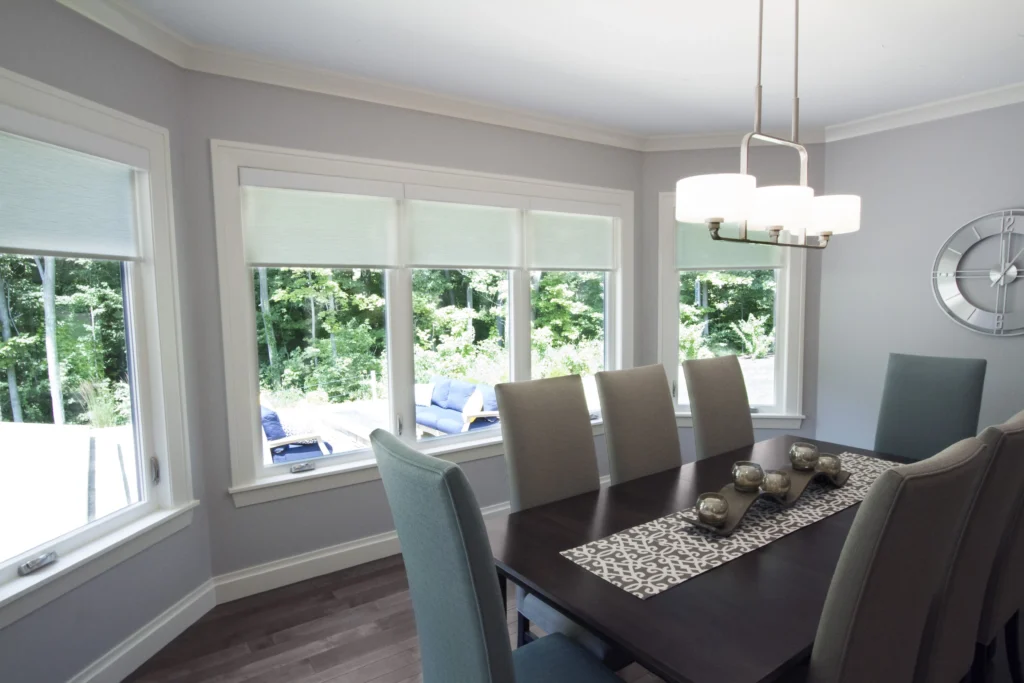
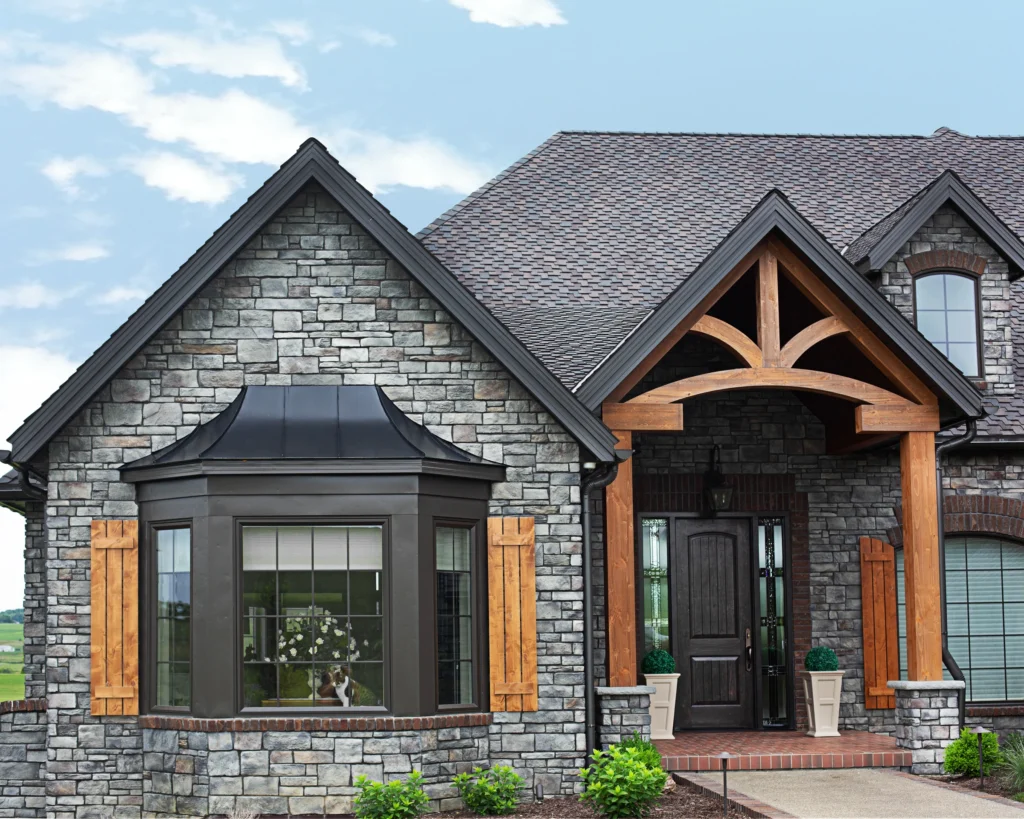
What to Know About Wood Window Maintenance & Performance
Traditional exposed wood requires attention to finishes and moisture over time, which is one reason many modern window systems use exterior protection while preserving genuine wood indoors.
A wood-clad system can reduce exterior maintenance by placing a more weather-resistant material outside while maintaining the real-wood appearance on the interior.
Window performance still depends on much more than frame material. Insulated glass construction, Low-E coatings, weatherstripping, window style, solar exposure, frame design, and installation all contribute to how the finished window performs.
The room matters too. A large west-facing window receiving strong afternoon sun can have different glass priorities from a smaller opening protected by shade.
Wood should therefore be evaluated as one part of the entire window system rather than assuming the material itself determines efficiency.
ProVia Aeris Wood-Clad Windows
One of the primary wood-interior options available through Kelly Window & Door is ProVia Aeris, a wood-clad window system that combines genuine wood on the interior with a vinyl exterior.
Rather than using exposed wood on both sides of the window, Aeris integrates real Oak, Cherry, or Maple on the interior sash and frame with a vinyl exterior. Homeowners can choose among factory-finished stain and paint options for the interior while the exterior is designed around lower-maintenance ownership.
Aeris is currently available in several useful styles, including double-hung, slider, casement and awning, picture, bay and bow, and architectural shapes, making it possible to carry a consistent wood-interior appearance across rooms that need different types of operation.
The value of this kind of product is not simply that it contains wood. It allows homeowners to prioritize a genuine wood interior while taking a different approach to the exterior surface, which can be especially useful when appearance and maintenance are both important.
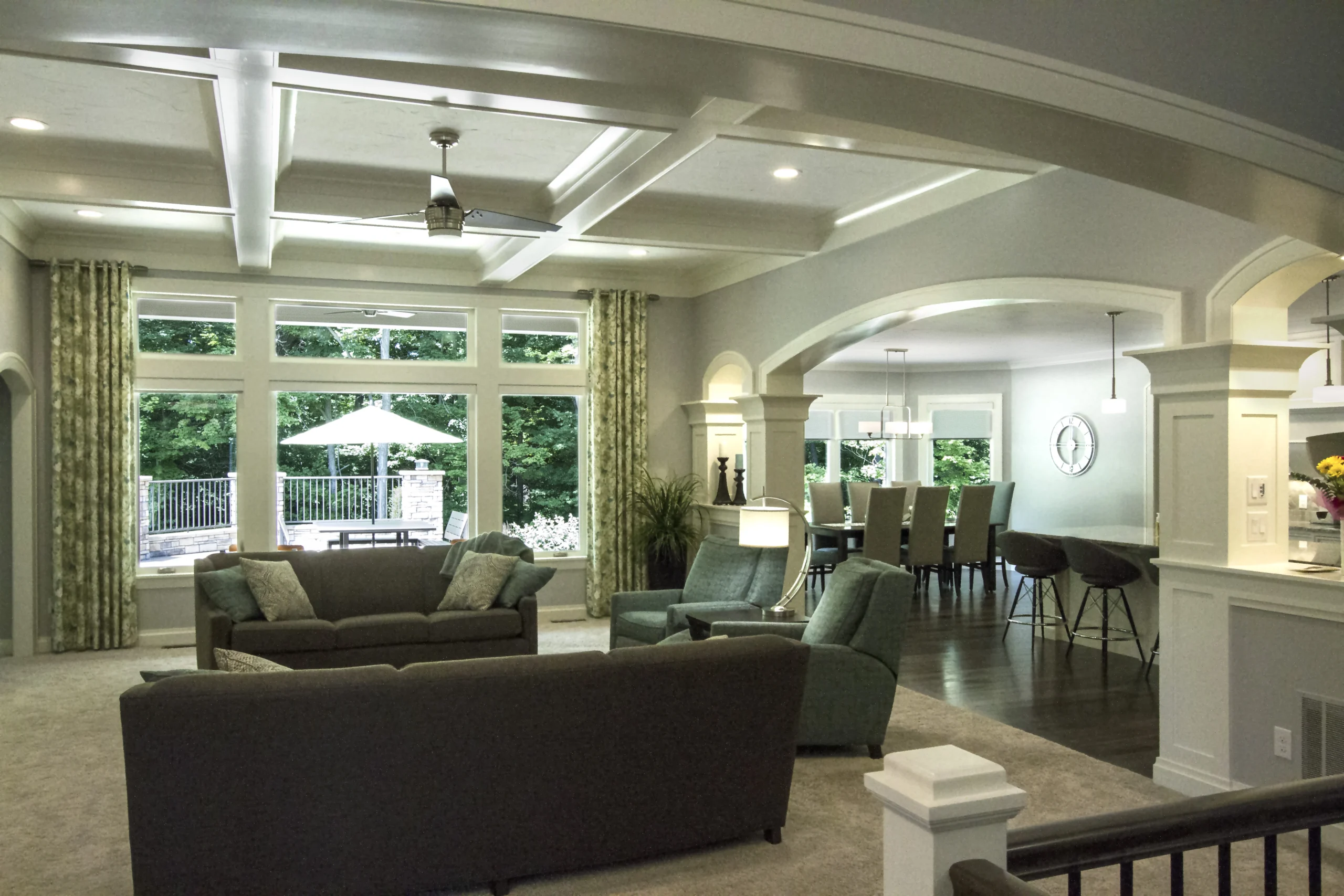
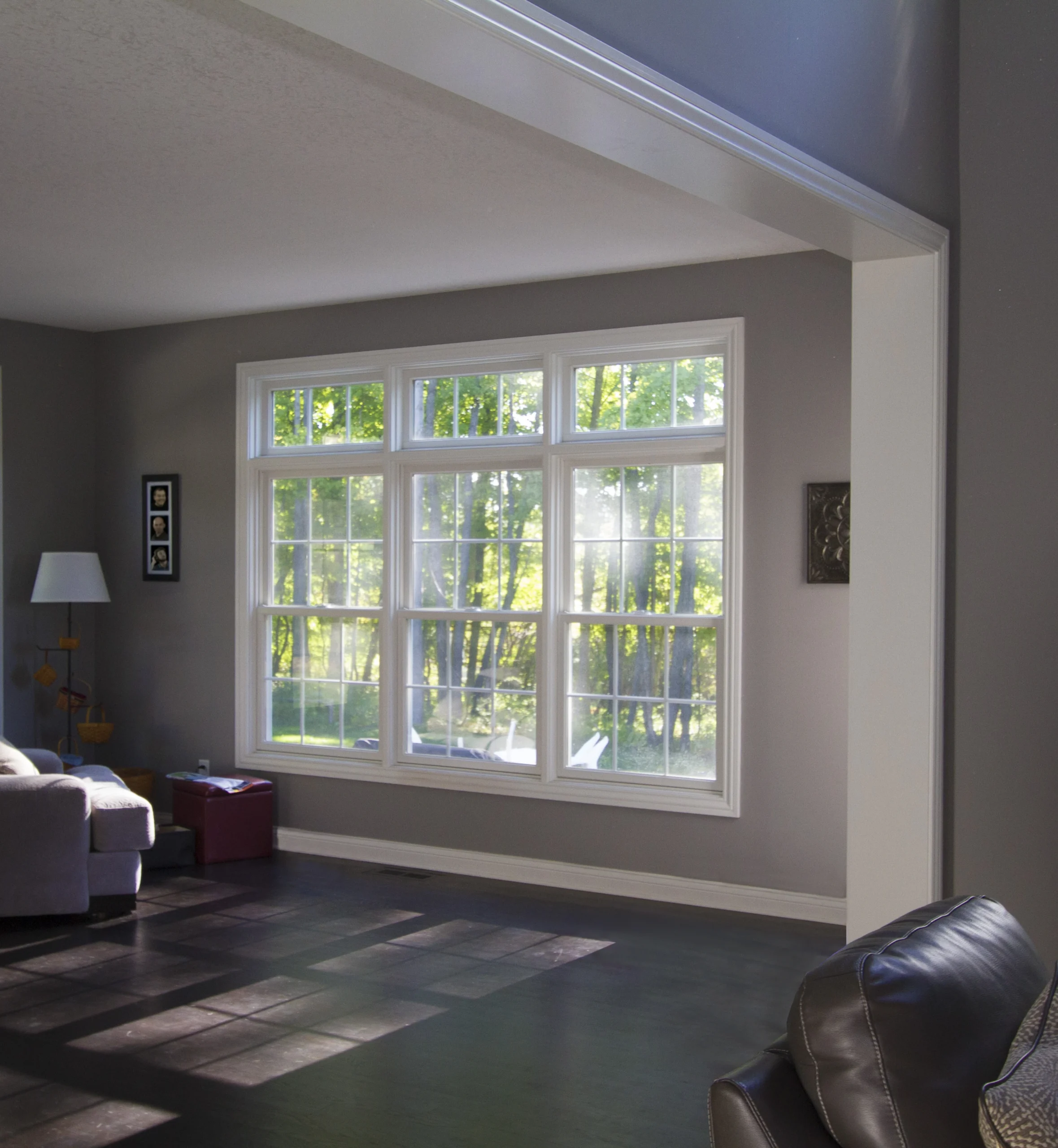
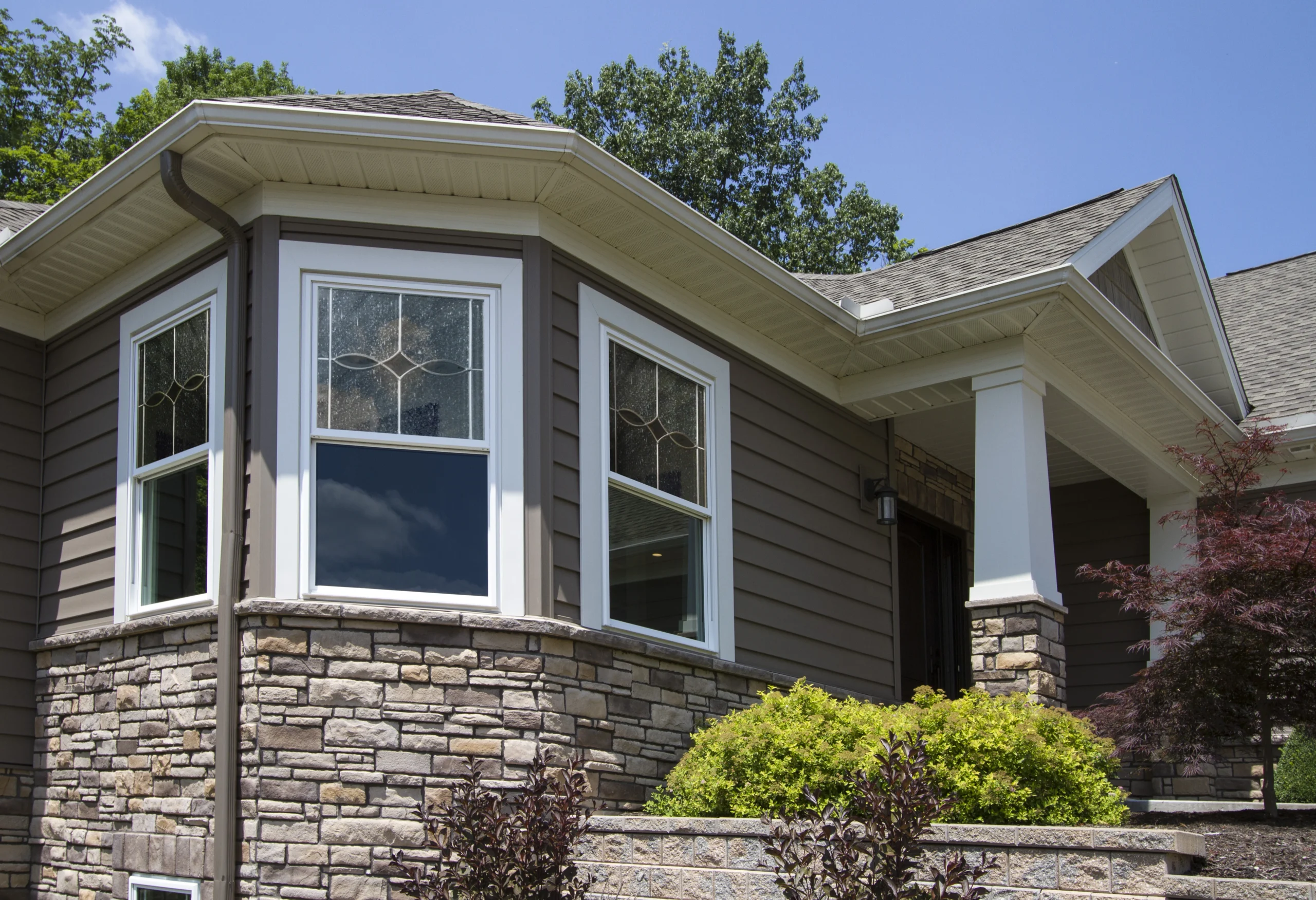
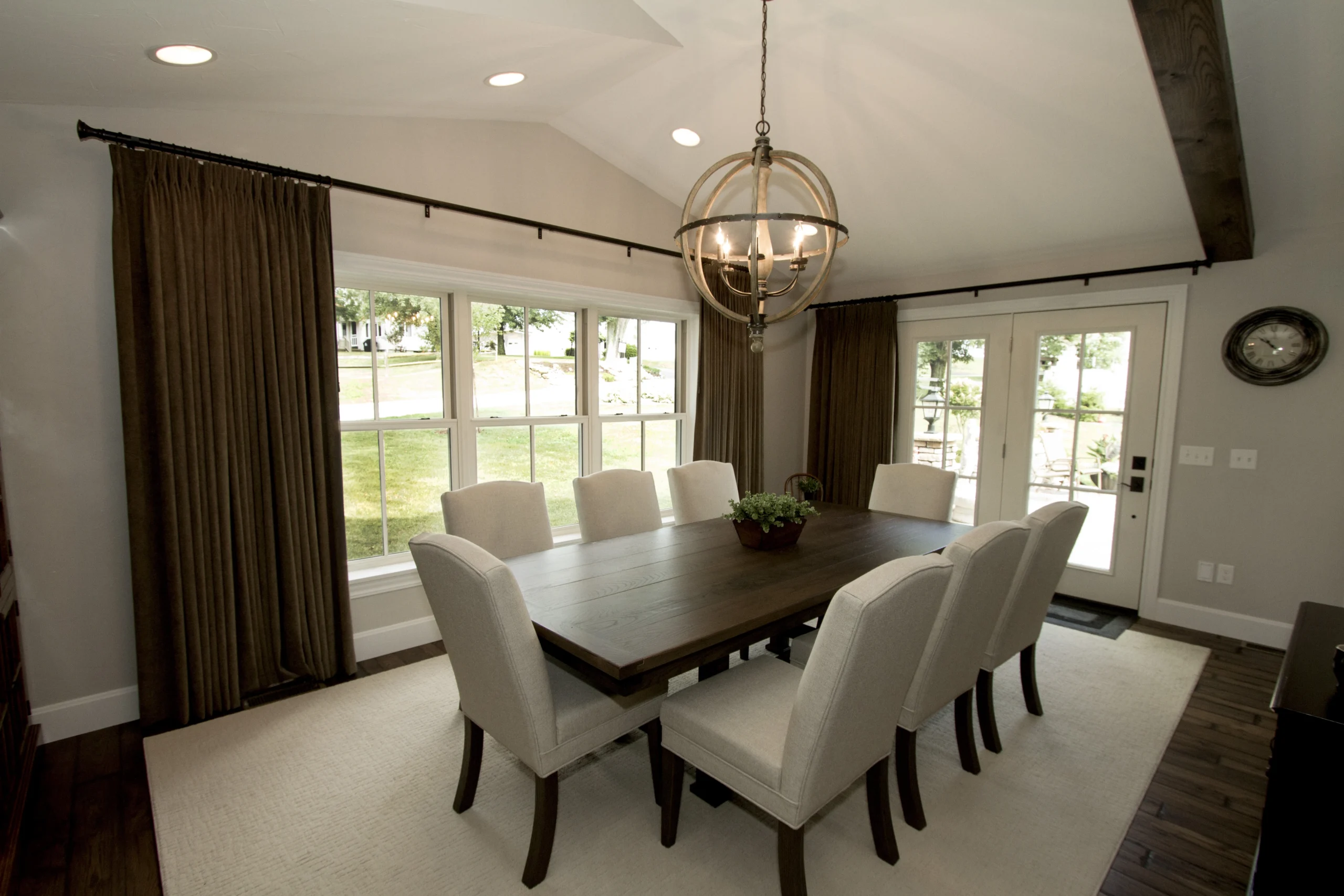
Replacing 15 Wood Windows With Custom Exterior Cladding
Kelly homeowner Chris Schaffers originally hired the team to replace 15 wood windows. The project also included custom aluminum cladding over the exterior wood trim.
After seeing Cruz and Alex’s work on the initial portion of the project, Chris decided to expand the scope and have the remaining previously replaced windows clad as well. Dan completed additional cladding and carefully integrated it beneath the home’s existing J-channel vinyl trim.
What makes this project particularly relevant for homeowners considering wood windows is the attention required beyond the window unit itself. Exterior trim, surrounding siding details, weather protection, and finish work all influence how a wood-window project comes together.
Chris specifically highlighted the craftsmanship involved in shaping flat aluminum into custom trim cladding and the care taken to install the material properly in anticipation of a future siding project.
It is a good example of why wood-window work should be considered as part of the surrounding home rather than treating the window as an isolated product.
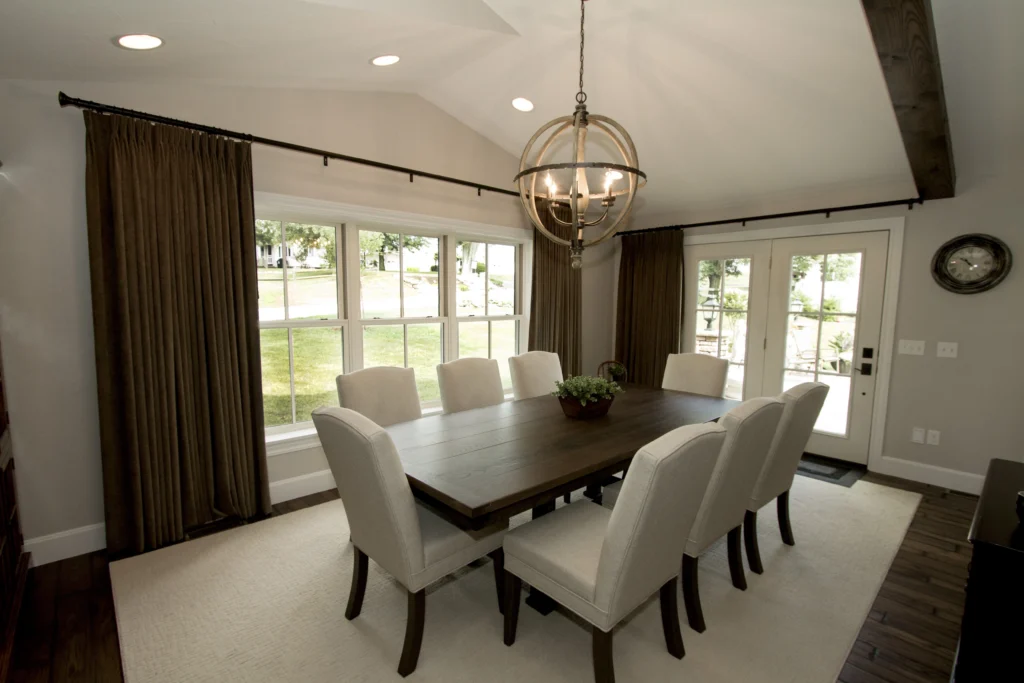



What Affects the Cost of Wood Windows?
Window Size & Quantity
The number of windows and their dimensions affect the amount of product, glass, finish work, and installation involved.
Construction & Exterior Protection
A wood-clad system, traditional wood components, exterior trim cladding, and other construction details can create very different project scopes.
Wood Species & Finish
Available species, factory stains, paint selections, and custom-looking interior finishes can influence the product selected and its price.
Window Style & Glass
A standard double-hung window is different from a casement, picture, bay, bow, or architectural shape. Glass packages, grids, and other options also affect the quote.
Wood Window Installation Requires More Than a Good Window
Accurate Measurement
The new window needs to be sized correctly for the project, especially when interior trim and architectural details need to remain visually consistent.
Careful Frame Positioning
Level, square, and plumb installation helps the sash operate properly and allows surrounding trim and finish work to come together cleanly.
Exterior Protection & Cladding
Where exterior cladding or protected wood details are part of the project, those materials need to integrate carefully with siding, trim, and other surrounding surfaces.
Interior Finish Coordination
Stained or painted wood is highly visible from inside the room, making clean transitions between the new window, existing trim, and surrounding finishes especially important.
What to Expect From Your Wood Window Project

Start With an In-Home Consultation

Compare Materials & Design Options

Confirm Measurements & Order the Windows

Professional Installation & Follow-Up
Compare Wood-Interior Windows at Our Cary Showroom
Wood grain, stain, frame profile, and finish can be difficult to evaluate accurately from a small online image.
At the Kelly Window & Door showroom in Cary, homeowners can compare window materials and product details in person before committing to a larger project.
Seeing samples up close is especially useful when deciding whether genuine wood is worth prioritizing, comparing stained and painted finishes, or determining how a wood-interior product differs visually from vinyl and fiberglass alternatives.
Bring photos of your existing trim, cabinetry, flooring, or other finishes if those details will influence the window selection.


A Stress-Free Wood Window Project With Local Support
Kelly Window & Door’s Stress-Free Guarantee is built around clear communication, thoughtful design guidance, professional installation, and support after the project is complete.
Warranty coverage for wood and wood-interior windows can vary based on the manufacturer, series, glass, finish, hardware, exterior components, and other product-specific terms. Rather than making a blanket warranty promise that may not apply to every configuration, Kelly helps homeowners understand the coverage associated with the products selected.
If a question arises later, Kelly remains a local point of contact. Learn more about Kelly Window & Door’s warranty support.