
Double-Hung Window Replacement & Installation in Raleigh, NC
Get in Touch Today!
How Does a Double-Hung Window Work?
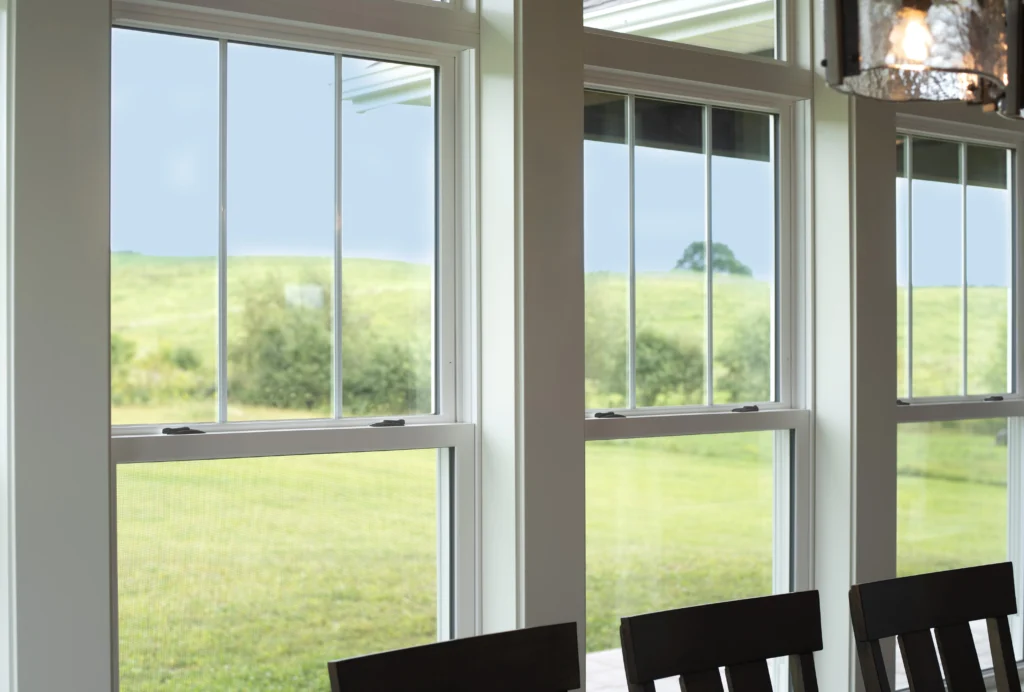
A double-hung window has two separate sashes within the same frame: an upper sash and a lower sash.
- The lower sash moves upward. This provides the familiar bottom-opening ventilation many homeowners associate with traditional windows.
- The upper sash moves downward. Because both sashes operate, homeowners can choose where the opening is located instead of relying exclusively on the bottom half of the window.
- Both sashes can be opened at the same time. This gives homeowners more flexibility in how they ventilate a room.
- Modern double-hung sashes may tilt inward. On applicable products, this allows homeowners to reach the exterior surfaces of the glass from inside the home, which can be especially useful on upper floors.
- Balance systems support the sashes. These internal components help the sash move and remain in the position where it is opened.
- The meeting rail is where the two sashes come together. Locks, weatherstripping, alignment, and construction at this point can influence both operation and performance.
That combination of vertical operation and two movable sashes is what separates a true double-hung window from a single-hung design.


Are Double-Hung Windows the Right Choice for Your Home?
Double-hung windows work well in many homes, but the operating style should make sense for how the room and opening will actually be used.
They may be a strong fit if you want flexible ventilation from either the top or bottom of the window.
They are also useful where you want an operable window that does not project outside the home. Because the sashes move vertically within the frame, there is no outward swing into a walkway, patio, landscaping, or other exterior space.
For upper-floor rooms, tilt-in sash designs can make exterior glass easier to reach from inside the home.
Double-hung windows can also work well when you want to preserve a traditional or balanced architectural appearance, particularly on front elevations with multiple similarly sized windows.
They are not automatically the best choice for every opening. Rooms where maximum uninterrupted glass, a wider opening, or a different ventilation pattern matters may be better suited to a casement window, picture window, or another style.
What Separates One Double-Hung Window From Another?
Sash & Balance System
The components supporting each sash affect how smoothly the window opens, how easily it stays in position, and how the operating parts feel during everyday use.
Frame & Sash Construction
Frame profiles, internal chambers, reinforcement, material, and overall construction can vary considerably between window lines. These differences can influence appearance, rigidity, and visible glass area.
Weatherstripping & Meeting Rail
A double-hung window has multiple moving components and a point where the upper and lower sash meet. Weatherstripping, sash fit, locks, and meeting-rail design all contribute to how tightly the window closes.
Glass, Locks & Operating Hardware
Low-E coatings, insulated glass, locks, tilt latches, screens, and other hardware vary between products. Two double-hung windows can share the same operating style while providing very different features.

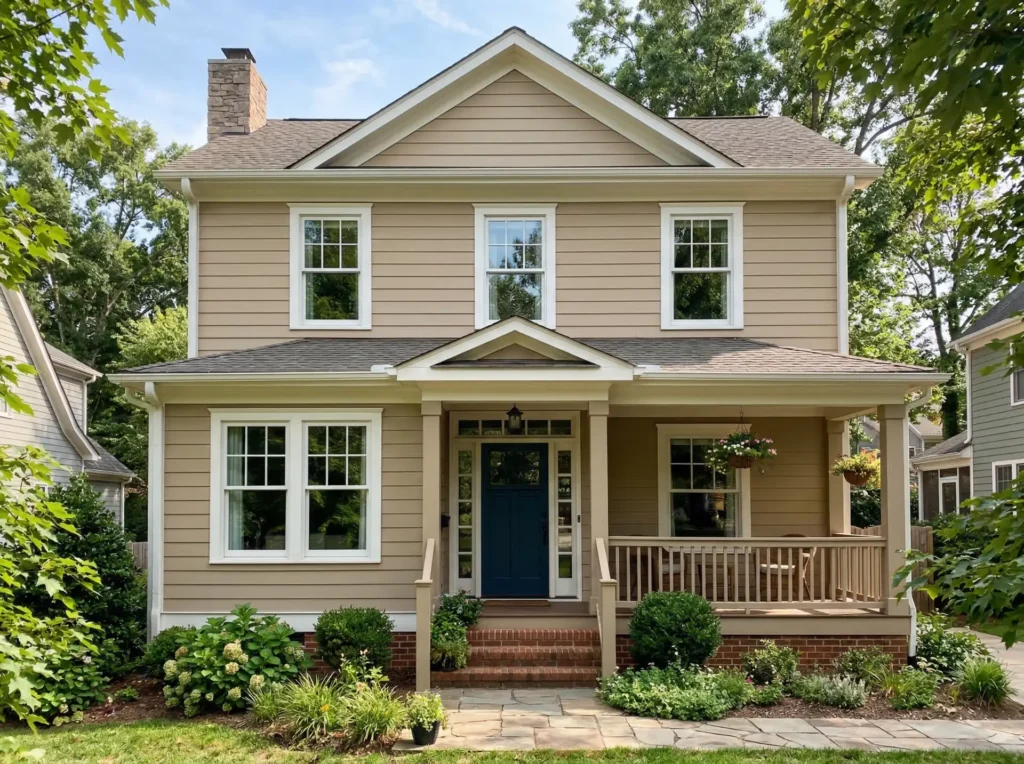
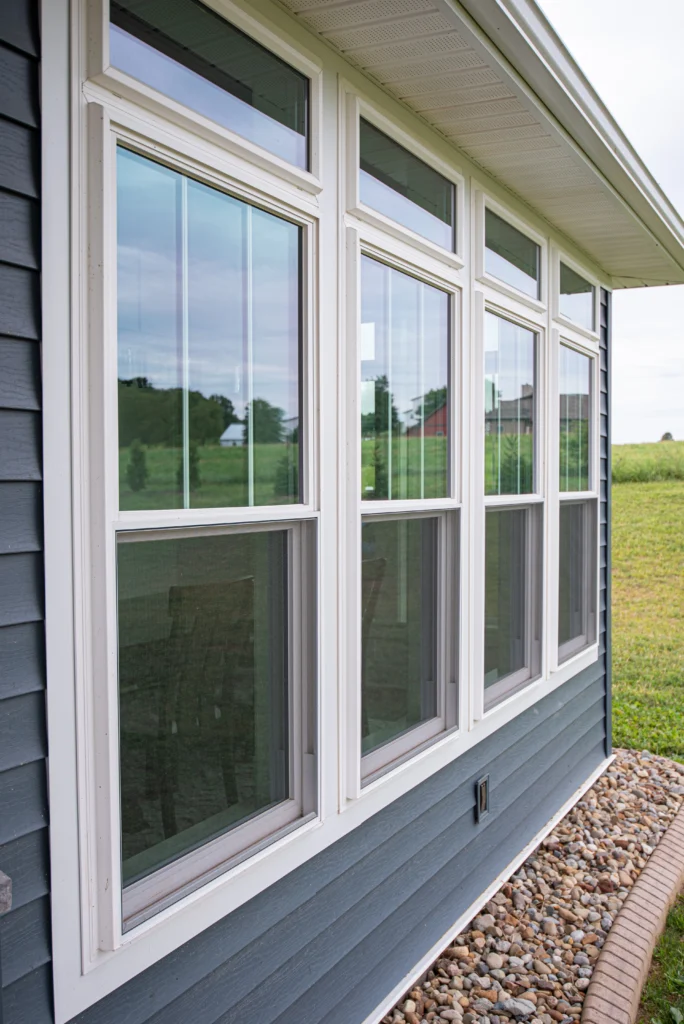
+
Years Experience
Why Double-Hung Windows Remain a Popular Choice
Flexible Ventilation
Because both sashes operate, you can open the upper sash, lower sash, or both depending on how you want air to move through the room.
Easier Interior Cleaning
Many current double-hung products include tilt-in sashes, allowing the exterior side of the glass to be reached from inside the home.
No Outward Swing
The window operates vertically within its frame, making double-hung windows useful near patios, walkways, landscaping, and other areas where outward-projecting windows may be less practical.
Versatile Architectural Style
Their symmetrical two-sash design can complement traditional homes while still working well with cleaner, updated exteriors depending on the frame color, grids, and other design choices.
Double-Hung vs. Single-Hung vs. Casement Windows
These window styles may serve similar rooms, but the way they operate is very different.
Double-hung windows have two movable sashes. Both the upper and lower sash can operate, giving homeowners more ventilation flexibility and, on many products, access to both sashes for interior cleaning.
Single-hung windows generally have one operating sash. The lower sash moves while the upper portion remains fixed. This creates a similar overall appearance with simpler operation, but less ventilation flexibility.
Casement windows use hinged operation. Instead of moving vertically, a casement window swings outward and is typically operated with a crank. This can provide a broad opening and a different glass-to-frame appearance, but it also requires exterior clearance.
A double-hung window may make more sense when you want traditional proportions, top-and-bottom ventilation, tilt-in cleaning, and no outward swing. Casement or another style may be a better choice when a wider opening, different sightline, or different ventilation pattern is more important.

Double-Hung Window Materials
“Double-hung” describes how the window operates, not what the frame is made from. Depending on the product, homeowners can compare several frame materials.
Vinyl Windows
Wood Windows
Fiberglass Windows

Glass, Grids & Design Options for Double-Hung Windows
The same double-hung operating style can look very different depending on the glass, frame, grids, and finish choices used throughout the home.
- Glass packages can include insulated glass and Low-E coatings selected around factors such as heat transfer and sun exposure.
- Grid patterns can have an especially noticeable impact on double-hung windows. Colonial-style grids can reinforce a traditional appearance, while fewer grids or clear glass can create cleaner sightlines.
- Cottage-style configurations can change the proportions of the upper and lower portions of the window when the product allows it.
- Frame colors and finishes can coordinate with exterior siding, trim, interior finishes, and other windows throughout the home.
- Privacy glass may be useful in bathrooms or other rooms where natural light is desired without a clear view through the glass.
- Screens, locks, and hardware finishes also affect everyday function and the finished appearance.
Rather than treating every window in the house identically, Kelly can help homeowners coordinate the overall design while still choosing features around the needs of individual rooms.
Double-Hung Window Options From MI and ProVia
Kelly Window & Door offers double-hung options across multiple product families, allowing homeowners to compare construction, frame profiles, glass packages, colors, and feature levels instead of treating every double-hung window as the same product.
For homeowners considering MI products, Sunrise offers a versatile vinyl option with multiple design and performance choices, while Restorations provides a more feature-rich vinyl window with details such as narrow profiles and upgraded construction options depending on the configuration.
ProVia also manufactures double-hung windows across several families. Current options include Aeris, which combines a vinyl exterior with a real-wood interior, along with the all-vinyl Endure, Aspect, and ecoLite lines. The available finishes, glass packages, and customization vary between those product families.
The best comparison is not simply MI versus ProVia. Kelly helps homeowners look at the specific series, material, frame design, glass, operation, appearance, and features that make sense for the project.
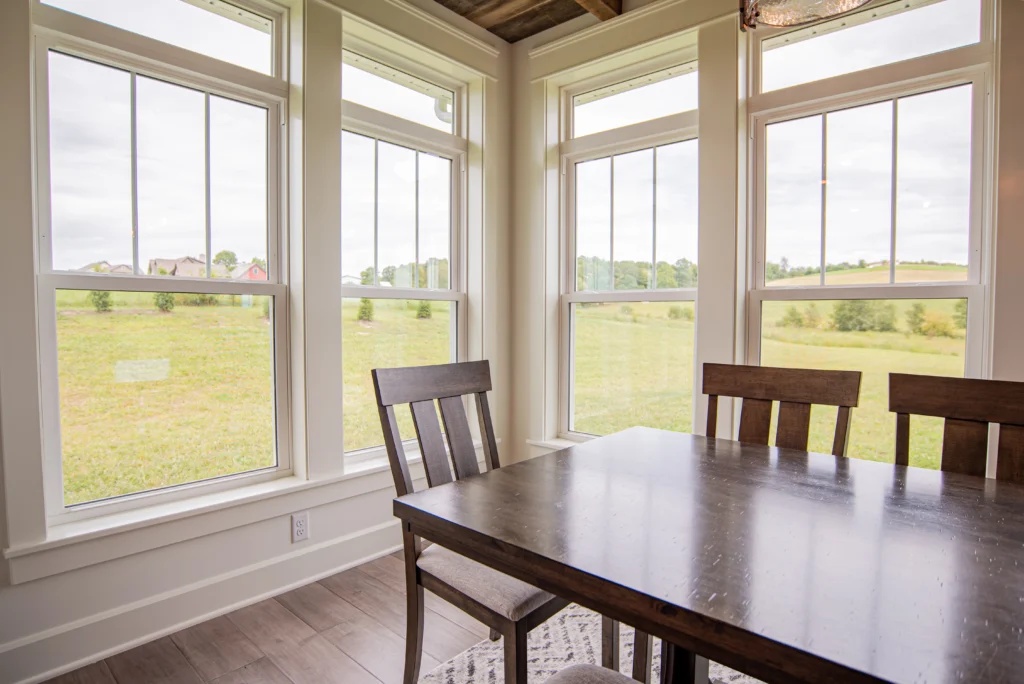
Double-Hung Window Performance Depends on the Whole System
A double-hung window has two operating sashes, so performance depends on more than the type of glass installed between the frames.
The glass package can influence heat transfer and solar heat gain, while Low-E coatings and insulated glass configurations can be selected around the home’s exposure and comfort priorities.
The frame and sash construction also matter. The upper and lower sash need to fit correctly within the frame, and the meeting rail needs to close consistently where the two sashes come together.
Weatherstripping and locks help create contact between the operating components when the window is closed, while the quality of the balance and operating hardware affects everyday use.
Installation is another important part of the finished system. A window that is not positioned and aligned properly may be more difficult to operate or may not close and lock as intended.
For that reason, homeowners should compare the performance ratings of the exact window and glass configuration being considered, not assume every double-hung window performs the same simply because it is new.
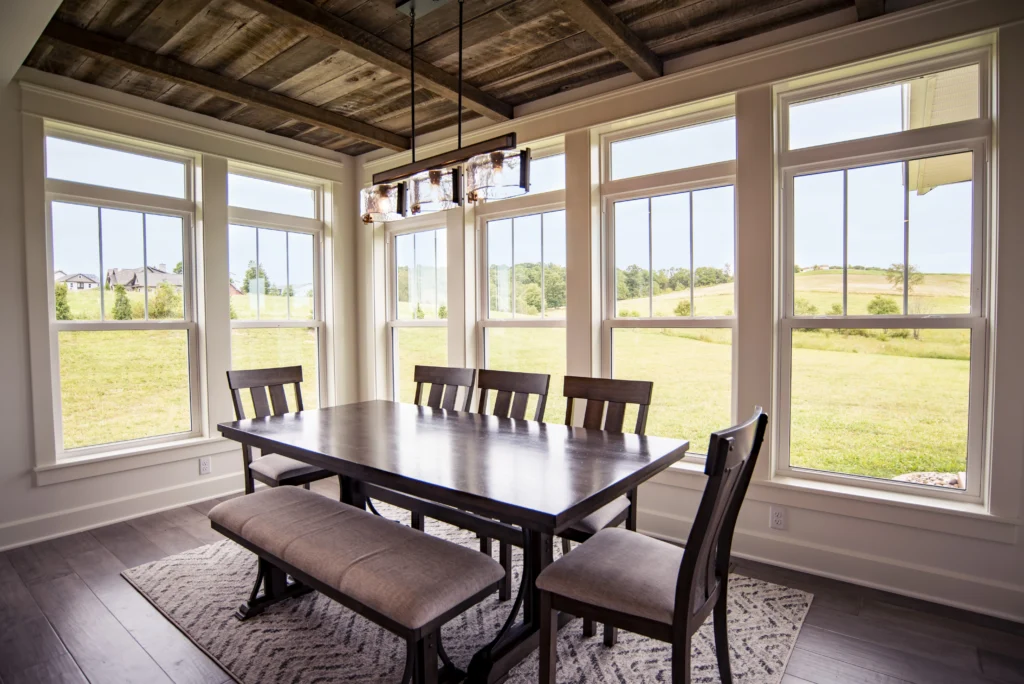
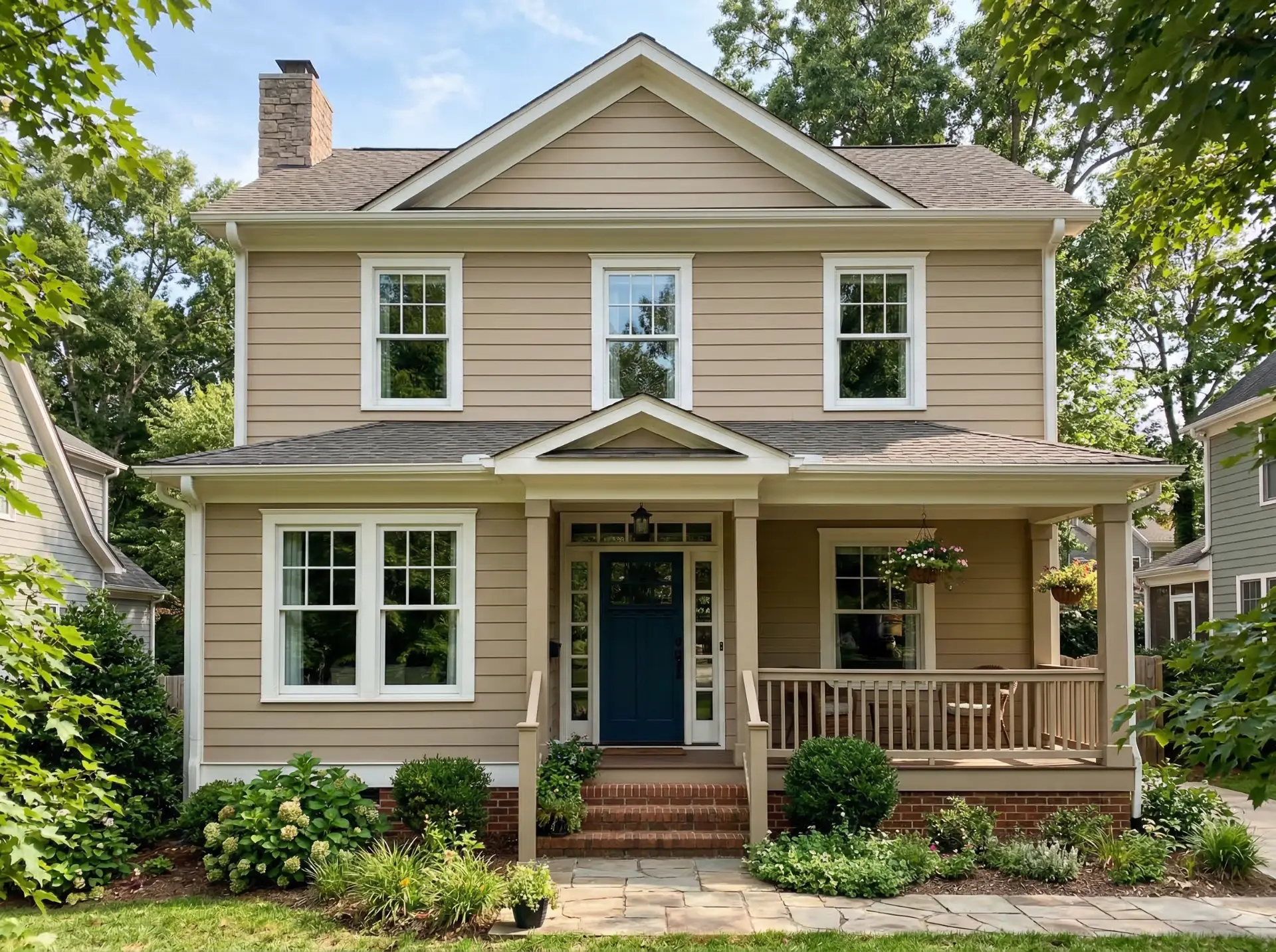
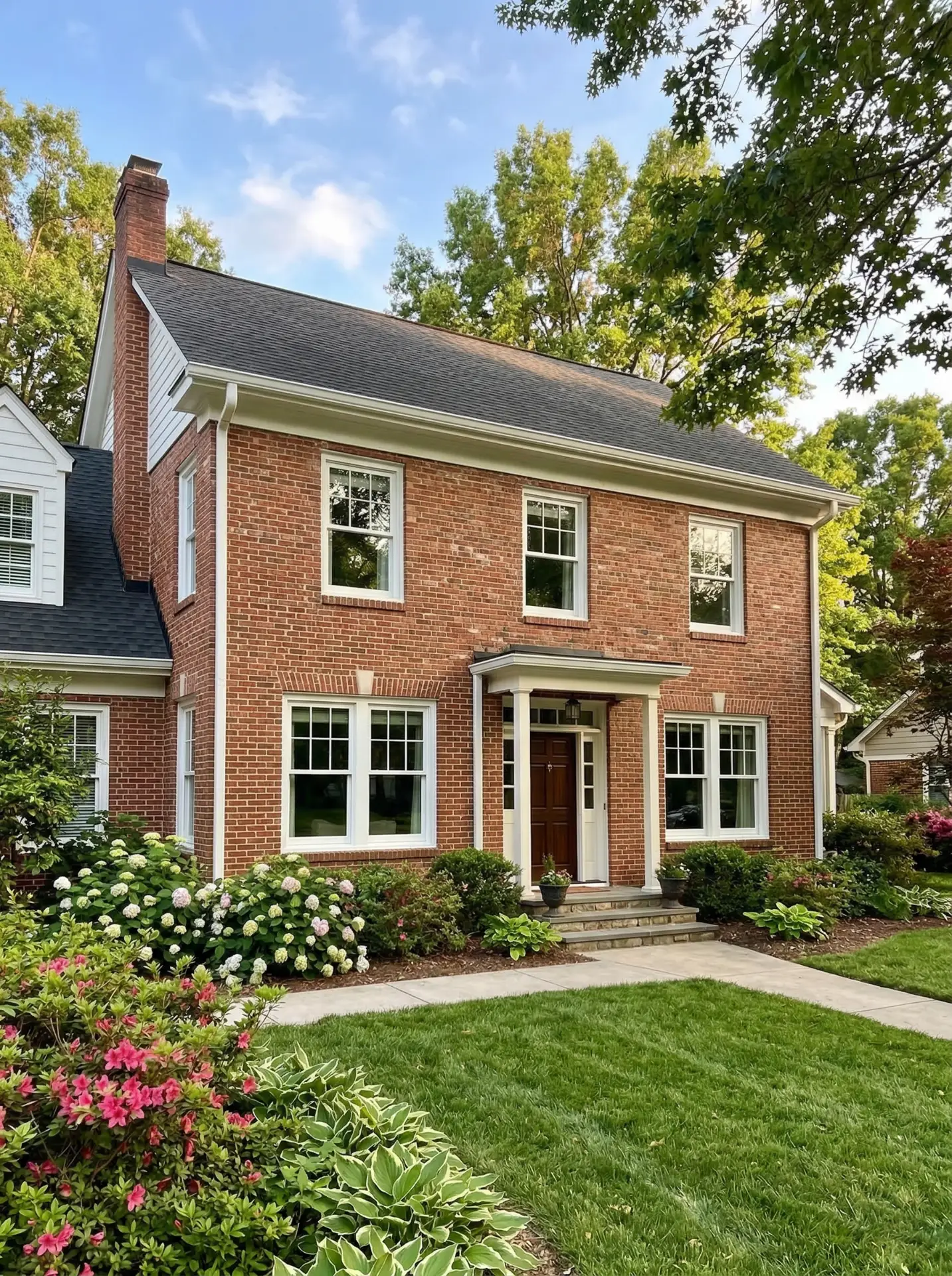
11 Double-Hung Windows Update the Front of a Cary Home
The Rash family knew the aging windows in their Cary home were no longer working the way they wanted. The existing windows had become difficult to operate, and they were ready to make window replacement part of a larger series of updates to the home.
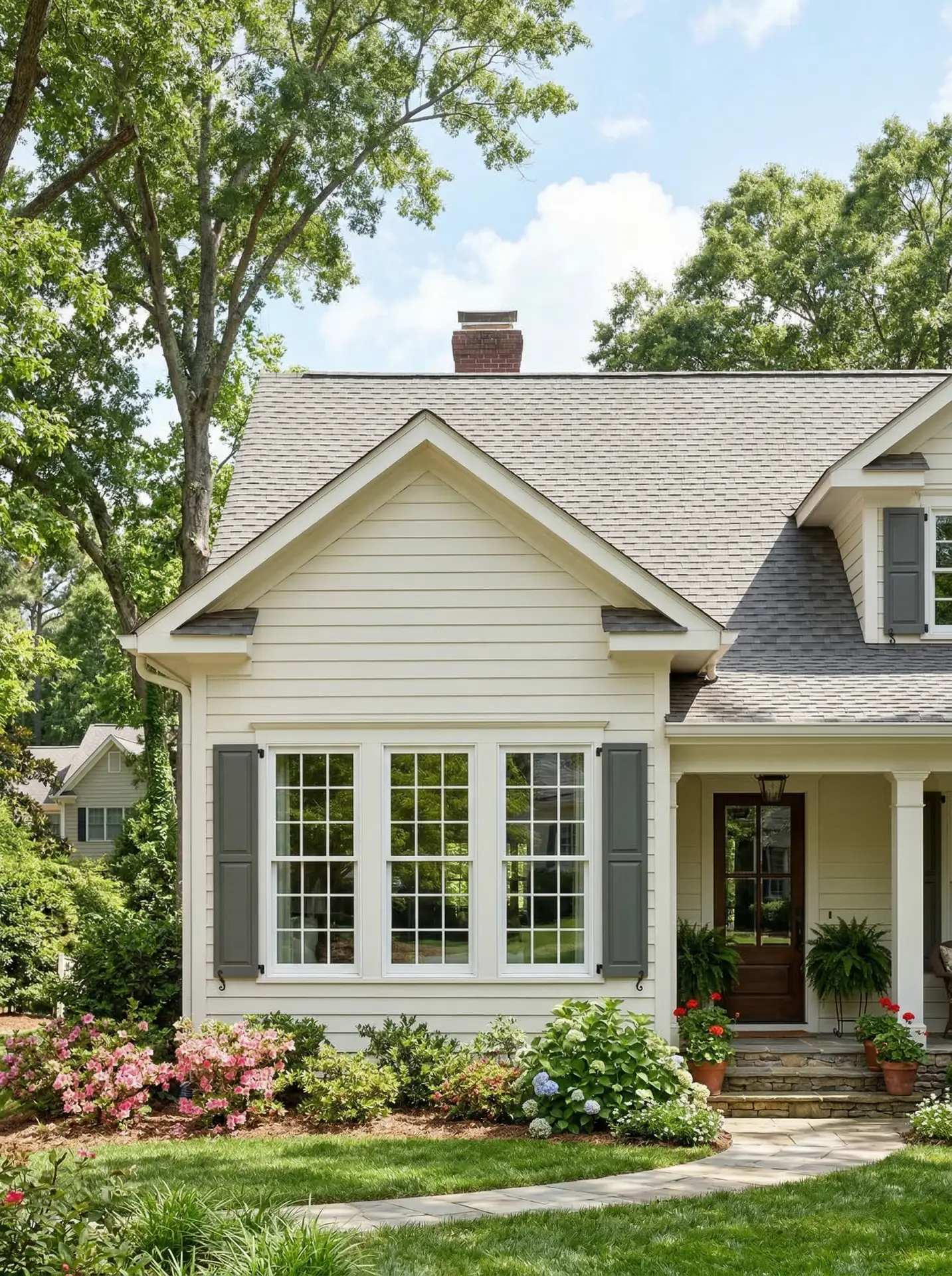
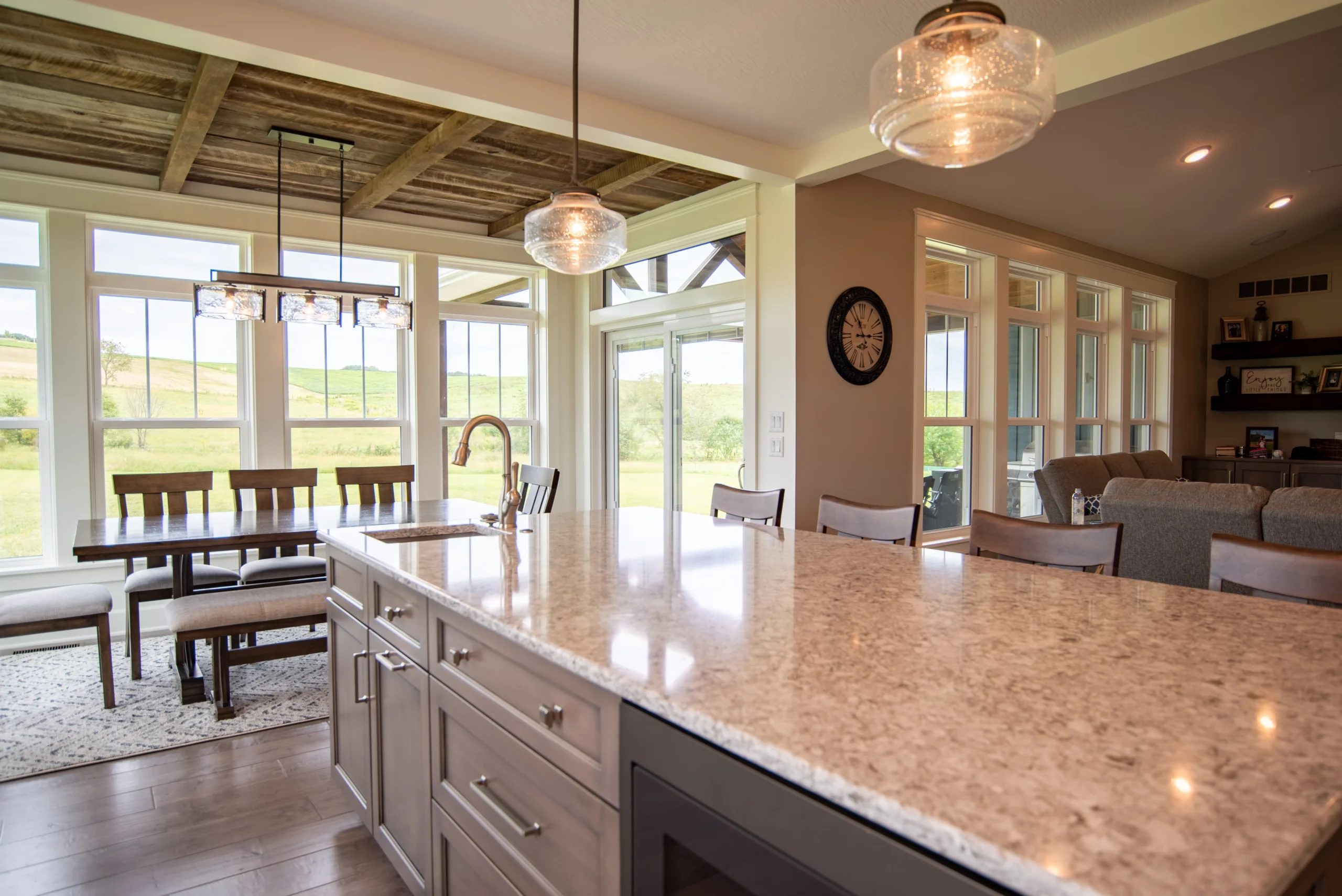
After reviewing their options with Kelly Window & Door, the homeowners selected Restorations double-hung windows. The project ultimately included 11 new double-hung windows across the front of the house, giving the elevation a coordinated new appearance while restoring everyday window operation.
Because the homeowners could not be present during installation, Kelly sent photos and updates while the work was being completed. When one screen arrived damaged, the team arranged to have it addressed and installed.
The project shows why a double-hung window decision involves more than simply choosing a familiar style. The homeowners also considered the product line, hardware, insulation, operation, appearance, and the experience of completing a larger multi-window project.
See the full Cary double-hung window project.


What Affects the Cost of Double-Hung Windows?
Material & Product Line
Vinyl, wood, and fiberglass products have different construction and feature sets, while individual manufacturer series can offer different levels of customization and performance.
Window Size & Configuration
Overall dimensions, custom sizing, mulled units, and other configurations can affect the amount of material and work involved.
Glass & Design Options
Glass packages, grids, privacy glass, colors, interior finishes, screens, and hardware choices can all change the finished product.
Project & Installation Requirements
The number of windows, accessibility, conditions at the home, and details involved in completing each opening can influence the overall scope of the project.
Installation Details That Matter With Double-Hung Windows
Accurate Measurement
The window needs to be sized correctly for the project so the frame can be positioned properly and the sashes have the space needed to operate as designed.
Square, Level & Plumb Installation
The relationship between the frame and moving sashes matters. Proper positioning helps the windows open, close, and lock consistently.
Sash Alignment & Operation
Both sashes, tilt mechanisms, locks, and balances should be checked so the window moves properly and stays where intended.
Sealing & Finish Work
The perimeter of the window needs careful sealing and finishing so the completed installation works as part of the home rather than simply fitting into the opening.
What to Expect From Your Double-Hung Window Project

Start With an In-Home Consultation

Compare Materials & Products

Confirm Measurements & Order the Windows

Professional Installation & Follow-Up
Compare Double-Hung Windows at Our Cary Showroom
Double-hung windows can look very similar in photographs even when their operation and construction feel noticeably different in person.
At the Kelly Window & Door showroom in Cary, homeowners can operate window samples, compare how the sashes move, see tilt-in cleaning features, examine locks and hardware, and compare frame profiles, glass, grids, and finishes.
The showroom can be particularly helpful when you are deciding between manufacturers or product lines and want to understand what separates one double-hung window from another before making a final decision.

A Stress-Free Process With Warranty Support After Installation
Kelly Window & Door’s Stress-Free Guarantee is built around clear communication, thoughtful product guidance, professional installation, and support throughout the project.
That support continues after installation. Warranty coverage can vary by manufacturer, window series, glass, hardware, finish, and other components, so Kelly remains a local point of contact if product-related questions arise later.
Learn more about Kelly Window & Door’s warranty support.
Double-Hung Window Replacement & Installation FAQs
What is a double-hung window?
A double-hung window has two movable sashes. The lower sash can move upward and the upper sash can move downward, allowing both portions of the window to operate independently.
What is the difference between single-hung and double-hung windows?
A double-hung window has two operating sashes, while a single-hung window typically has a movable lower sash and fixed upper sash. Double-hung windows therefore provide more ventilation flexibility and may offer easier access for cleaning, depending on the product.
Can both parts of a double-hung window open?
Yes. That is the defining difference of a double-hung design. Both the upper and lower sashes are designed to move, although the exact operation and tilt features depend on the window selected.
Do double-hung windows tilt in for cleaning?
Many modern double-hung windows have tilt-in sashes that allow homeowners to reach the exterior glass surfaces from inside the home. The exact cleaning mechanism varies by manufacturer and product line.
Are double-hung windows energy efficient?
Double-hung windows are available with insulated glass, Low-E coatings, weatherstripping, and other performance features. Actual efficiency depends on the exact frame, glass package, sash construction, seals, performance ratings, and installation rather than the operating style alone.
Are double-hung or casement windows better?
Neither is automatically better. Double-hung windows provide vertical operation, top-and-bottom ventilation, and no outward swing. Casement windows hinge outward and can provide a wider opening and different sightlines. The better choice depends on the room, exterior clearance, appearance, and ventilation priorities.
What affects the cost of double-hung windows?
Material, manufacturer and product line, window size, glass package, grids, colors, hardware, number of windows, and installation requirements can all affect the finished project. Comparing the full window specification is more useful than comparing double-hung style alone.