
Slider Window Replacement & Installation in Raleigh, NC
Get in Touch Today!
How Do Sliding Windows Work?
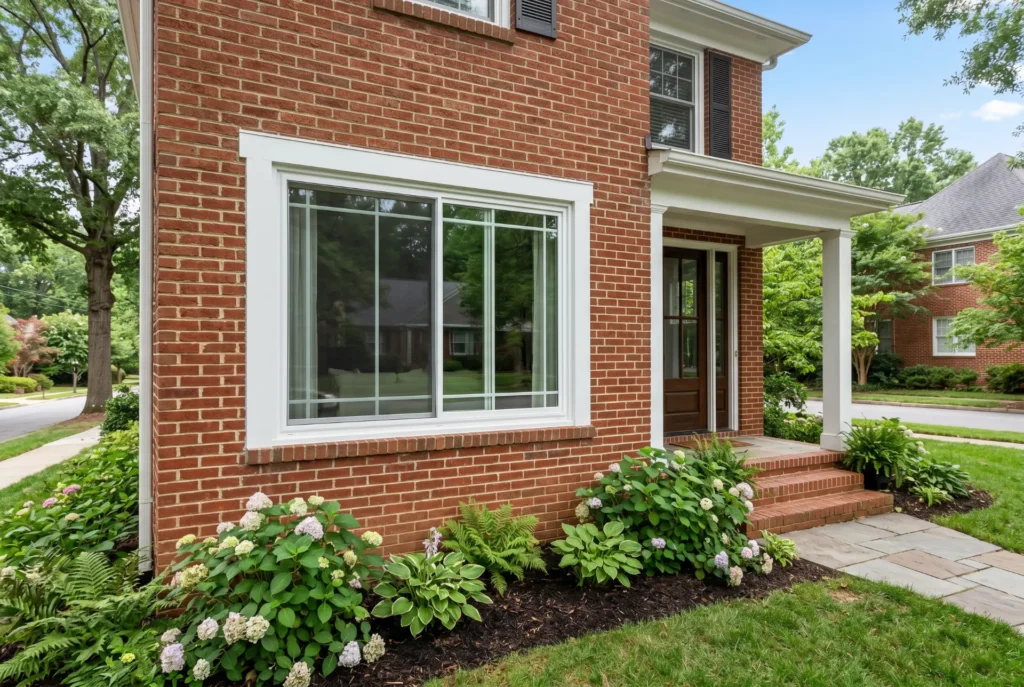
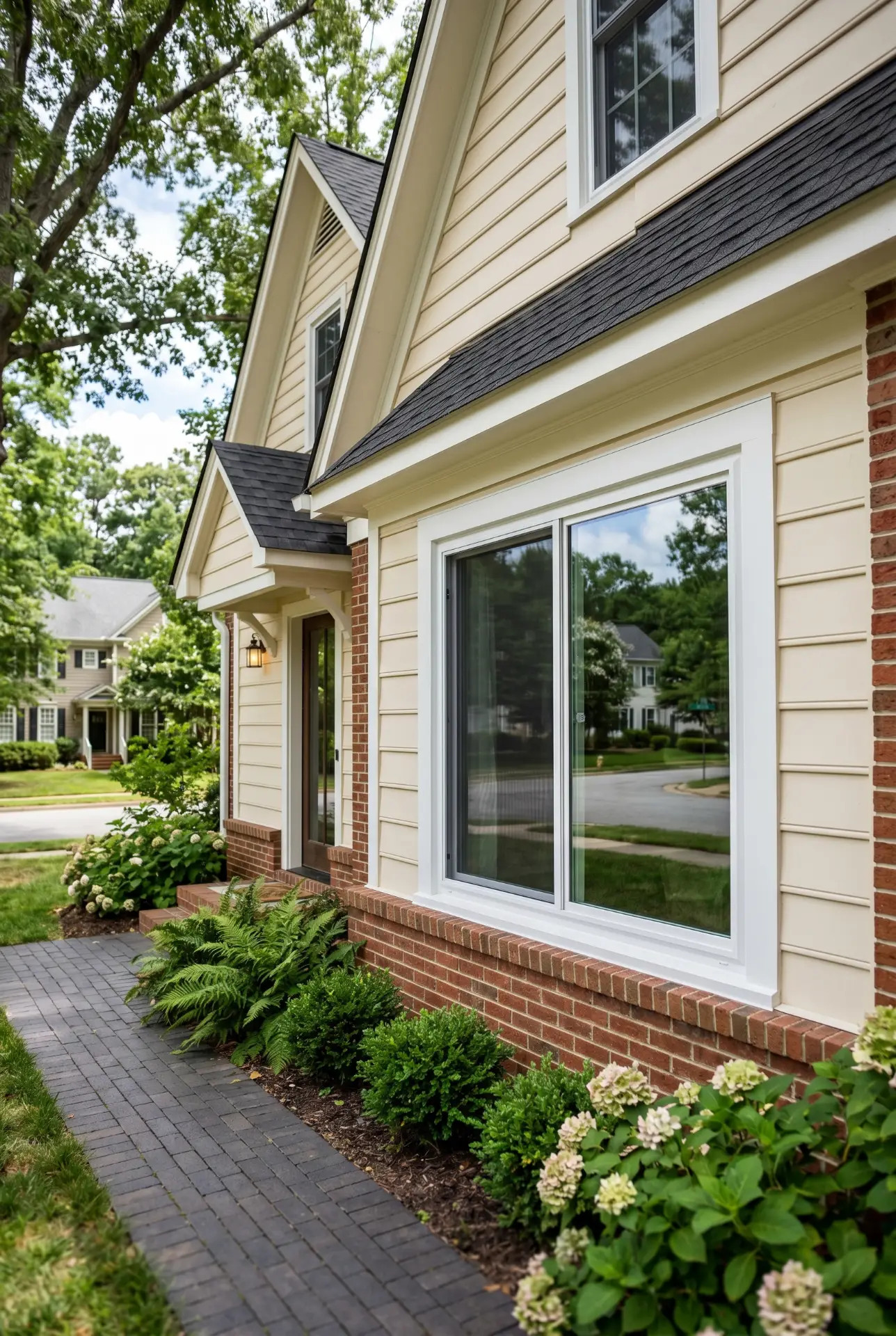
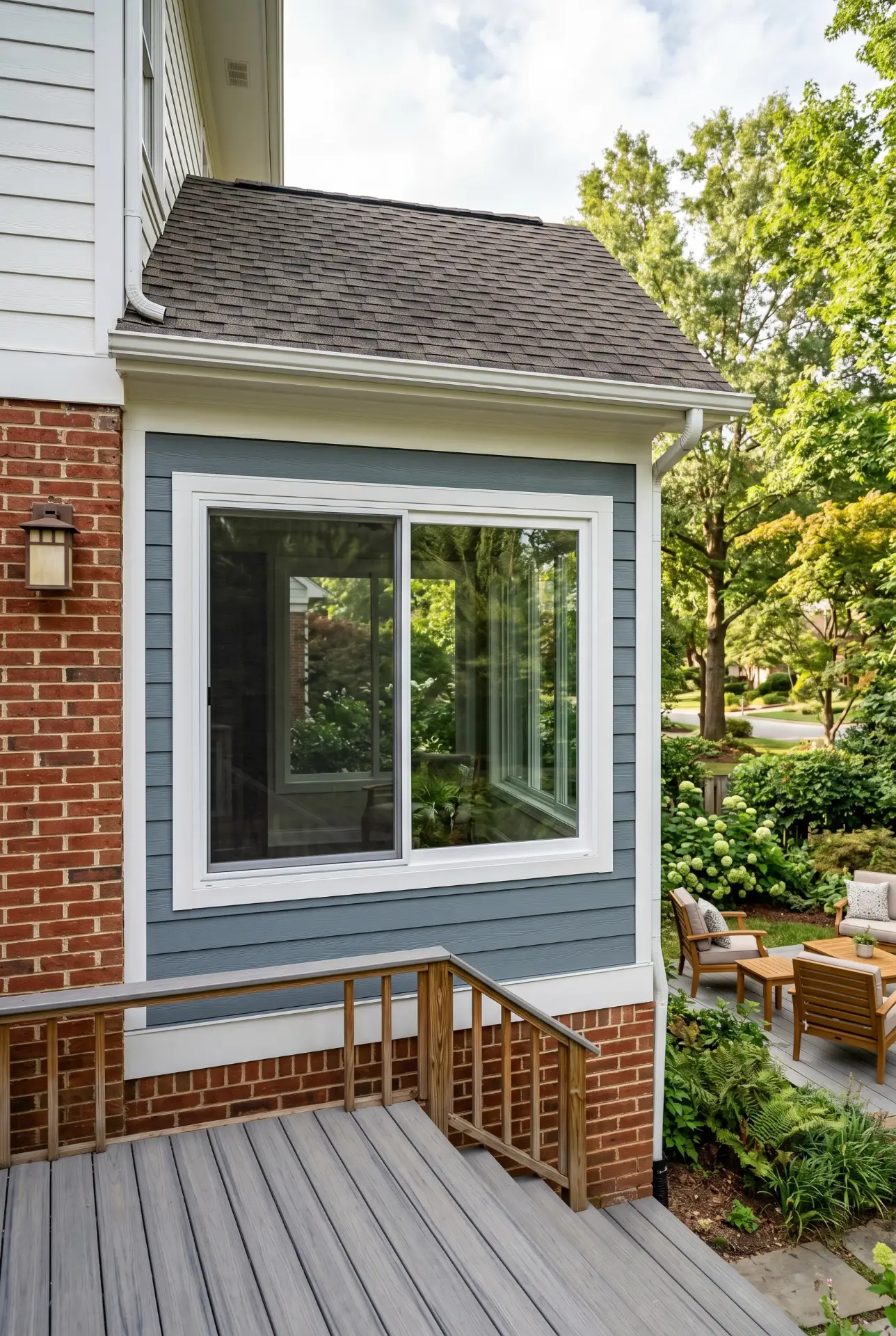
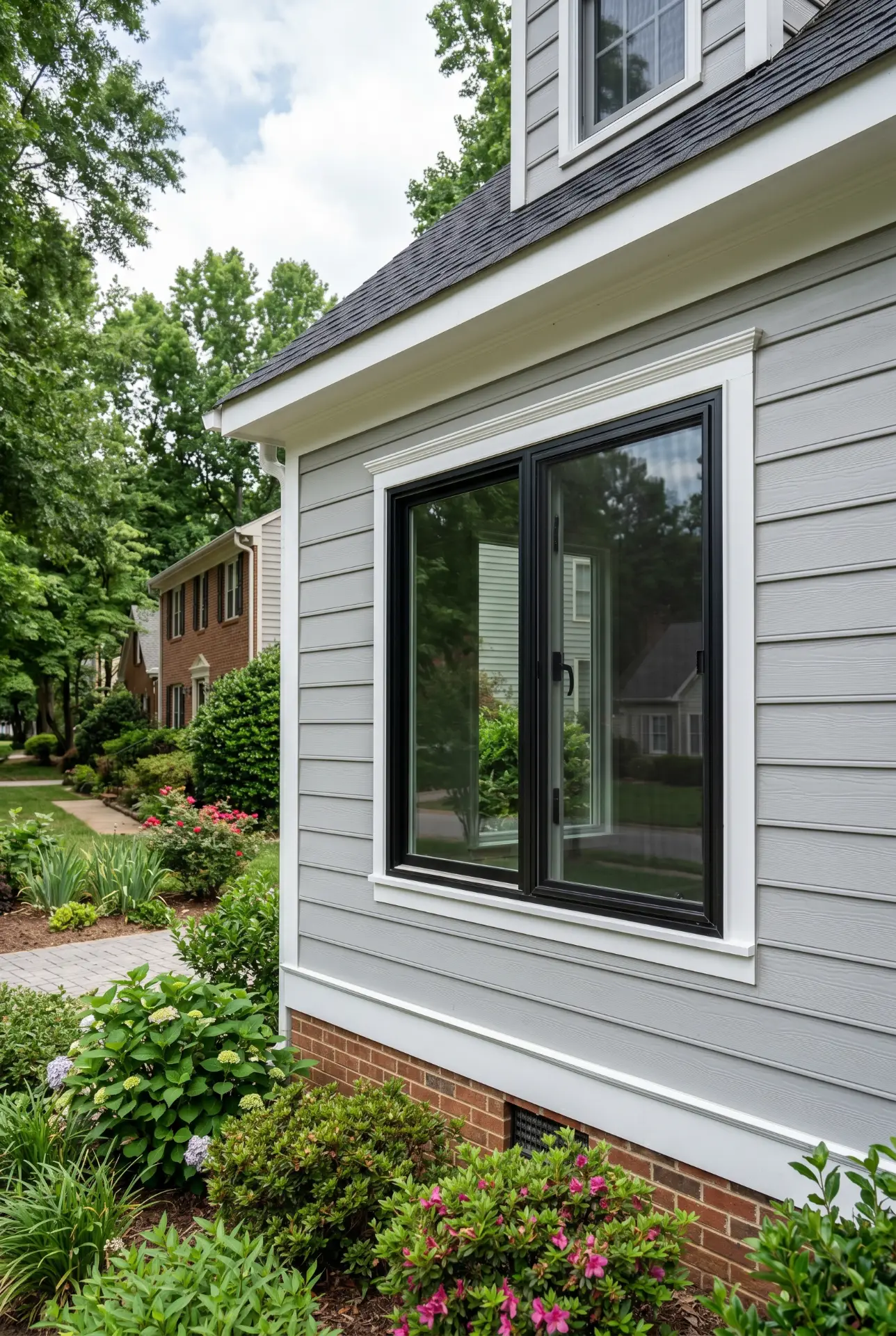
Slider windows, also called sliding windows or horizontal sliding windows, open by moving one or more sashes from side to side along a horizontal track.
They use the same basic idea as other operable windows, but the direction of travel is different. Instead of lifting a sash vertically or cranking a window outward, the sash remains within the frame and moves horizontally.
That makes slider windows especially useful where the opening is wider than it is tall.
Depending on the configuration, a slider may have:
- one operable sash and one fixed sash
- two operable sashes
- three sections with a wider fixed center area and operable side sections
- custom dimensions designed around a particular opening
Because the sash stays within the plane of the wall, sliders also provide ventilation without projecting into a patio, walkway, landscaping area, or other exterior space.

+
Years Experience
Where Do Horizontal Slider Windows Make the Most Sense?
Living Rooms & Family Rooms
A wide slider can preserve a broad outdoor view while still providing operable sections for ventilation.
Bedrooms
Horizontal windows can work well beneath lower ceilings or in rooms where the wall proportions favor width over height.
Kitchens
Because a slider operates from side to side, it can be practical above counters or sinks where lifting a sash vertically may feel less convenient.
Ranch & Mid-Century Homes
Homes with long horizontal rooflines and wider window openings often pair naturally with the proportions of sliding windows.
Wide Openings
When the opening is significantly wider than it is tall, a slider may create more balanced proportions than trying to force a tall vertical window style into the space.
Single Slider, 2-Lite & 3-Lite Slider Windows
Single Slider Windows
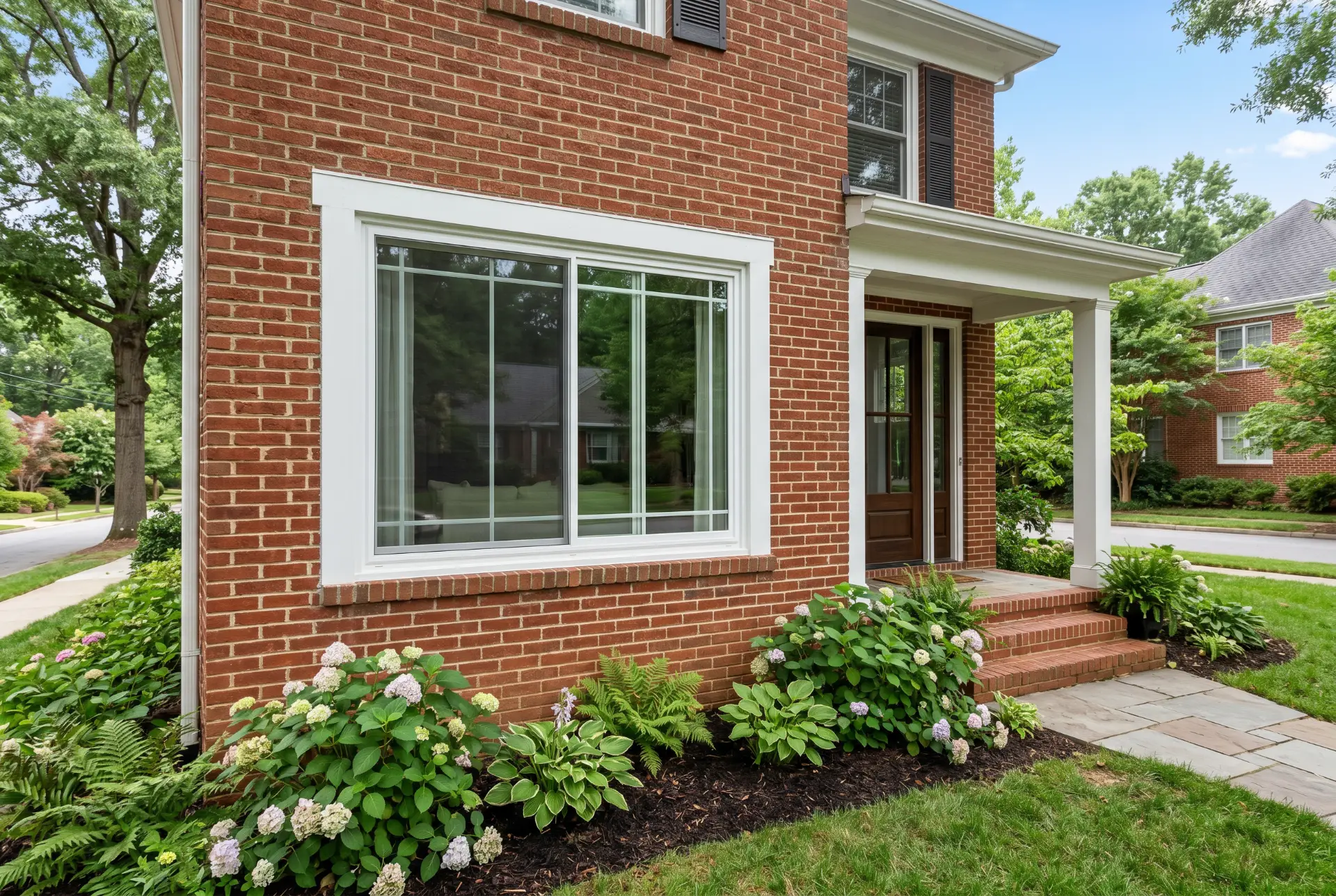
A single slider typically has one operable sash that moves horizontally while the other section remains fixed.
2-Lite Slider Windows
A 2-lite slider uses two main glass sections. Depending on the product, both sashes may be able to move horizontally, allowing ventilation from either side.
3-Lite Slider Windows
A 3-lite configuration divides a wider opening into three sections. The center section is commonly fixed while the outer sashes provide horizontal operation, depending on the product selected.


When Should You Choose a Sliding Window?
Slider windows can be a strong choice when you want ventilation, a wider view, simple operation, and no outward-projecting sash.
They are particularly worth considering when:
- the window opening is wider than it is tall
- furniture or landscaping makes an outward-opening window less convenient
- you want an operable window with relatively broad glass areas
- side-to-side operation feels more natural for the location
- the architecture of the home favors horizontal lines
- a standard vertical sash configuration feels out of proportion with the opening
A slider is not automatically the right window for every room. The choice should depend on the opening dimensions, reach, ventilation goals, views, architecture, and how frequently you expect to operate the window.
What Makes a Better Horizontal Sliding Window?
Track & Sash Operation
The track system influences how smoothly the sash moves and how easy the window feels to operate over time.
Frame & Sash Construction
Frame depth, sash construction, reinforcement, meeting rails, and overall rigidity can affect both appearance and performance.
Locks & Meeting Rails
The way sliding sashes meet and lock is important for operation, security, alignment, and weather sealing.
Weatherstripping
Because movable sashes travel horizontally along a track, the sealing system around the sash and meeting areas is an important part of the complete window.
Screens
Screen configuration matters when ventilation is a priority. Screen material, fit, visibility, and removal should all be considered when comparing products.
Slider Windows vs. Double-Hung Windows
Slider and double-hung windows perform similar basic jobs but are oriented in opposite directions.
Double-hung windows use upper and lower sashes that move vertically. Their taller proportions make them a natural fit for many traditional window openings.
Slider windows move horizontally and tend to work better where the opening is comparatively wide and low.
Double-hung windows may make more architectural sense on homes built around repeated vertical window openings.
Sliders can complement homes with stronger horizontal lines or rooms where a panoramic view is more important.
Both can provide ventilation. The better option usually comes down to opening proportions, architectural style, preferred operation, screen configuration, and the location of the window.
Slider Windows vs. Fixed Picture Windows
If the main goal is maximizing glass and the window does not need to provide ventilation, a picture window may be the simpler choice.
Slider windows introduce operable sashes, tracks, locks, screens, and meeting rails because they need to open.
Picture windows remain fixed, which can create larger uninterrupted areas of glass.
For very wide walls, the two styles can also be used together. A fixed section can preserve the primary view while neighboring slider or other operable units provide ventilation.
The decision should start with one basic question: Does this particular opening need to open?
Slider Window Material Options
The available materials and configurations depend on the manufacturer and product line.
Vinyl Slider Windows
Wood Slider Windows
Fiberglass Slider Windows
Slider Window Glass, Colors, Grids & Screens
Slider windows can be customized around the appearance and comfort priorities of the room rather than treated as a basic utility window.
Glass packages can include insulated glass and Low-E options selected around the exact product, window exposure, and comfort priorities.
Clear glass can emphasize the wide views that make horizontal windows appealing.
Privacy or obscure glass may be appropriate in bathrooms or other spaces where daylight is wanted without a completely clear view.
Grid patterns can create a more traditional appearance or coordinate sliders with other window styles across the home.
Interior and exterior colors can help the new windows work with siding, brick, trim, flooring, and other finishes.
Screens should also be considered as part of the design because their placement and visibility affect both ventilation and the view through an operating slider.
MI & ProVia Slider Window Options
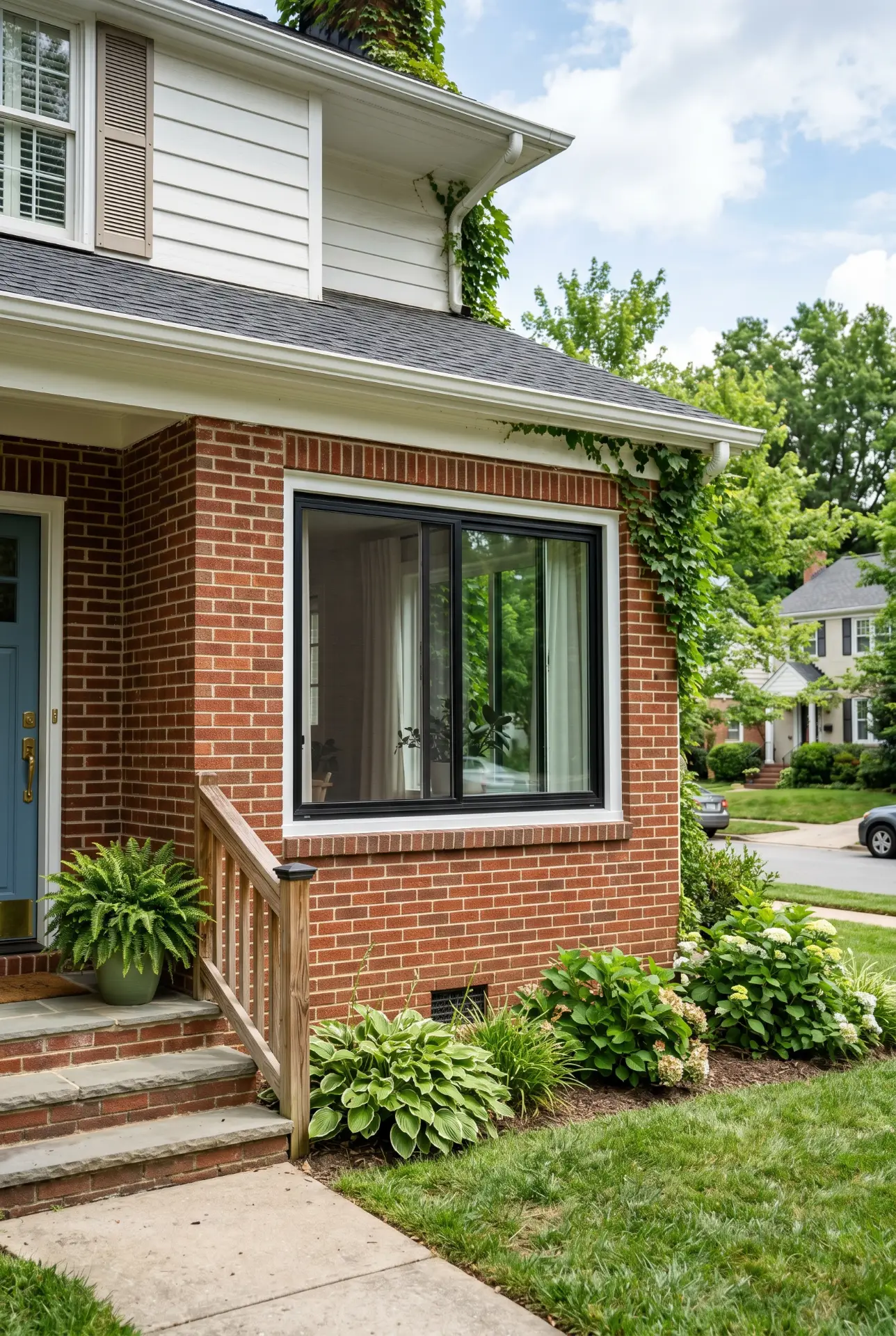
MI Sunrise V4500
The Sunrise V4500 includes a horizontal sliding window with two main sash sections and one operable sash. It provides a premium vinyl option with choices for colors, glass, grids, and other design details.
MI Restorations V5500
The Restorations V5500 also offers a horizontal slider configuration with one operating sash. The line provides another premium vinyl option with extensive customization for homeowners comparing higher-feature window systems.
ProVia Aeris
Aeris offers slider windows with a vinyl exterior and genuine wood interior, making it particularly relevant for homeowners who want horizontal operation while preserving the appearance of real wood inside the home.
ProVia Endure, Aspect & ecoLite
ProVia also offers slider configurations across its Endure, Aspect, and ecoLite vinyl window families. Available sash configurations, colors, glass, grids, and other features vary by series.
What Affects the Cost of Slider Windows?
Size & Custom Dimensions
Larger windows use more glass and frame material, while custom dimensions may affect which products and configurations are available.
Sash Configuration
Single-slider, 2-lite, and 3-lite arrangements use different frame and sash configurations and may have different size limitations.
Material & Product Line
Vinyl, wood-interior, and other available window constructions vary in features, finishes, design options, and pricing.
Glass & Design Choices
Glass packages, privacy glass, grids, colors, screens, interior finishes, and other customization choices can affect the final window.
What to Expect From Your Slider Window Project

Evaluate the Opening

Compare Window Options

Confirm Measurements & Details

Install & Review Operation
Compare Slider Windows at Our Cary Showroom
Slider windows are particularly useful to compare in person because photos cannot show how the sash actually feels when it moves along the track.
At the Kelly Window & Door showroom in Cary, homeowners can compare window materials, frame profiles, glass, grids, colors, screens, hardware, and operating styles.
You can also compare a slider directly with double-hung and casement windows to see which operating style feels most natural for the room and opening.

A Stress-Free Slider Window Project With Local Support
Kelly Window & Door’s Stress-Free Guarantee is built around clear communication, thoughtful product guidance, careful project planning, professional installation, and support after the work is complete.
Warranty coverage varies according to the manufacturer, product line, glass, finish, screens, hardware, and other components selected.
Kelly remains a local point of contact if questions arise after installation. Learn more about Kelly Window & Door’s warranty support.