
Custom Size & Specialty Shaped Windows in Raleigh, NC
Get in Touch Today!
What Counts as a Custom or Specialty Shaped Window?
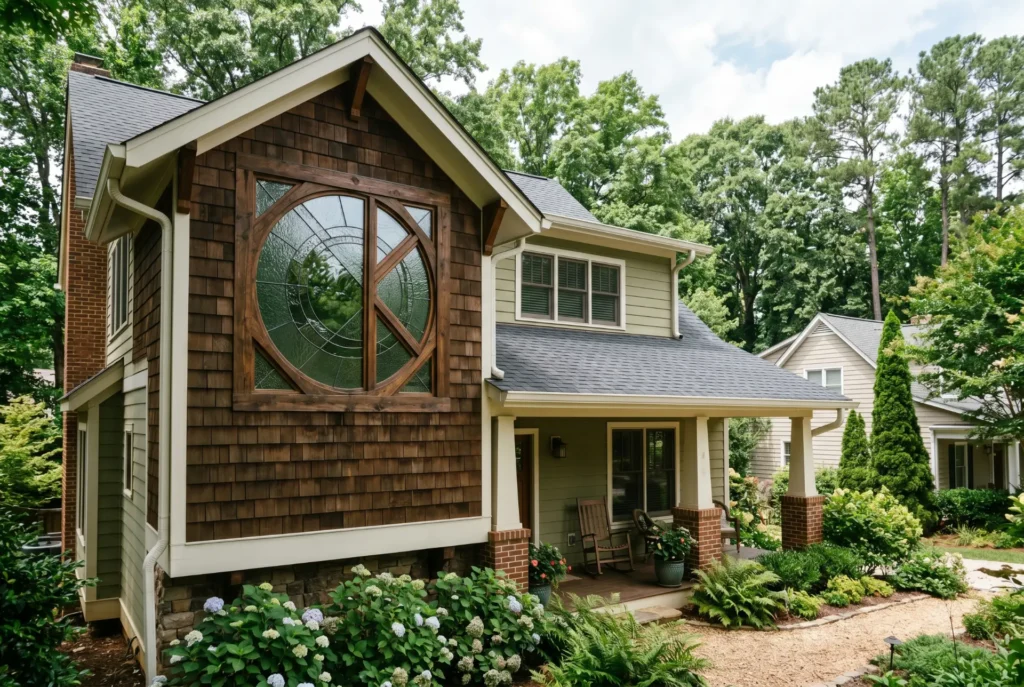
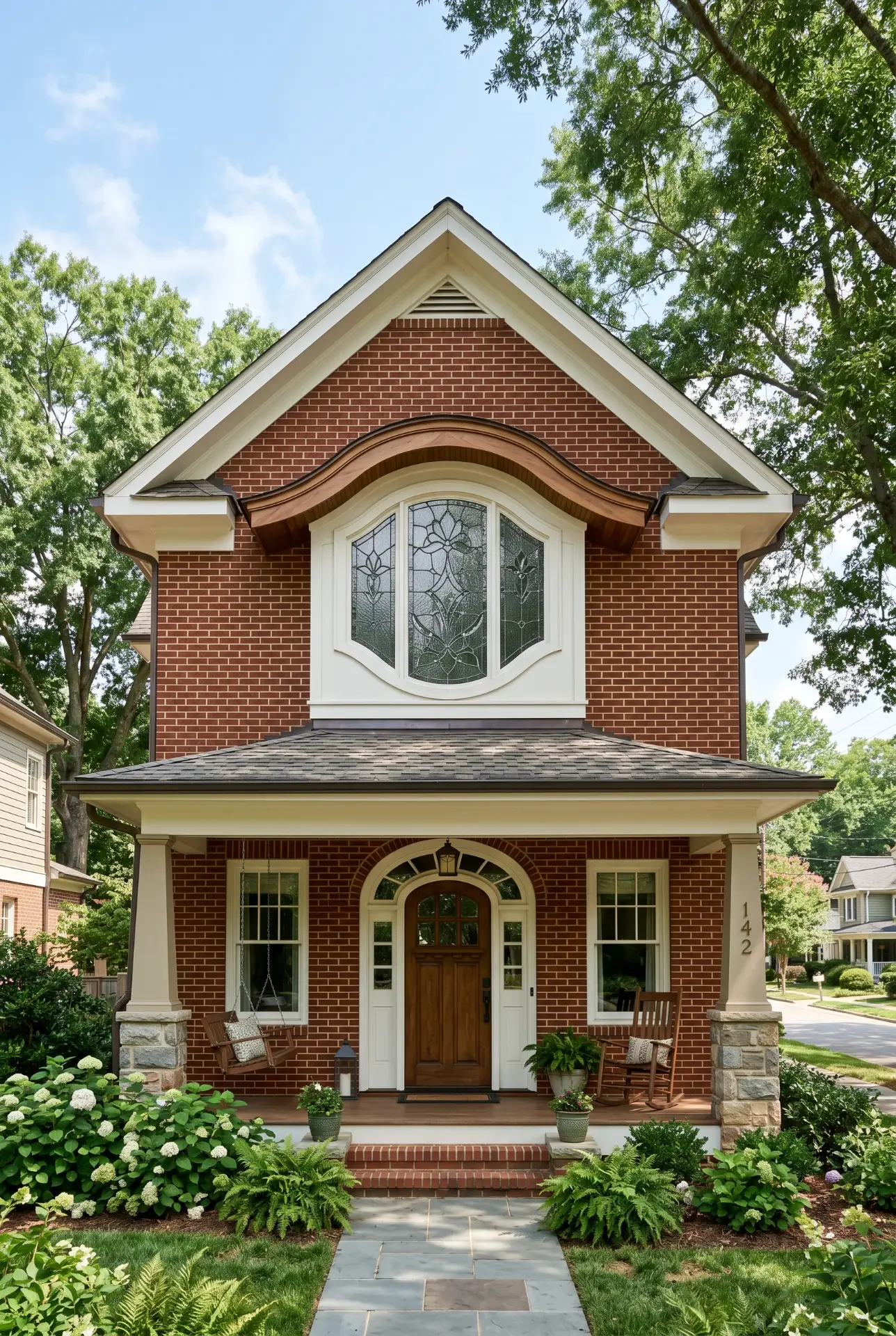
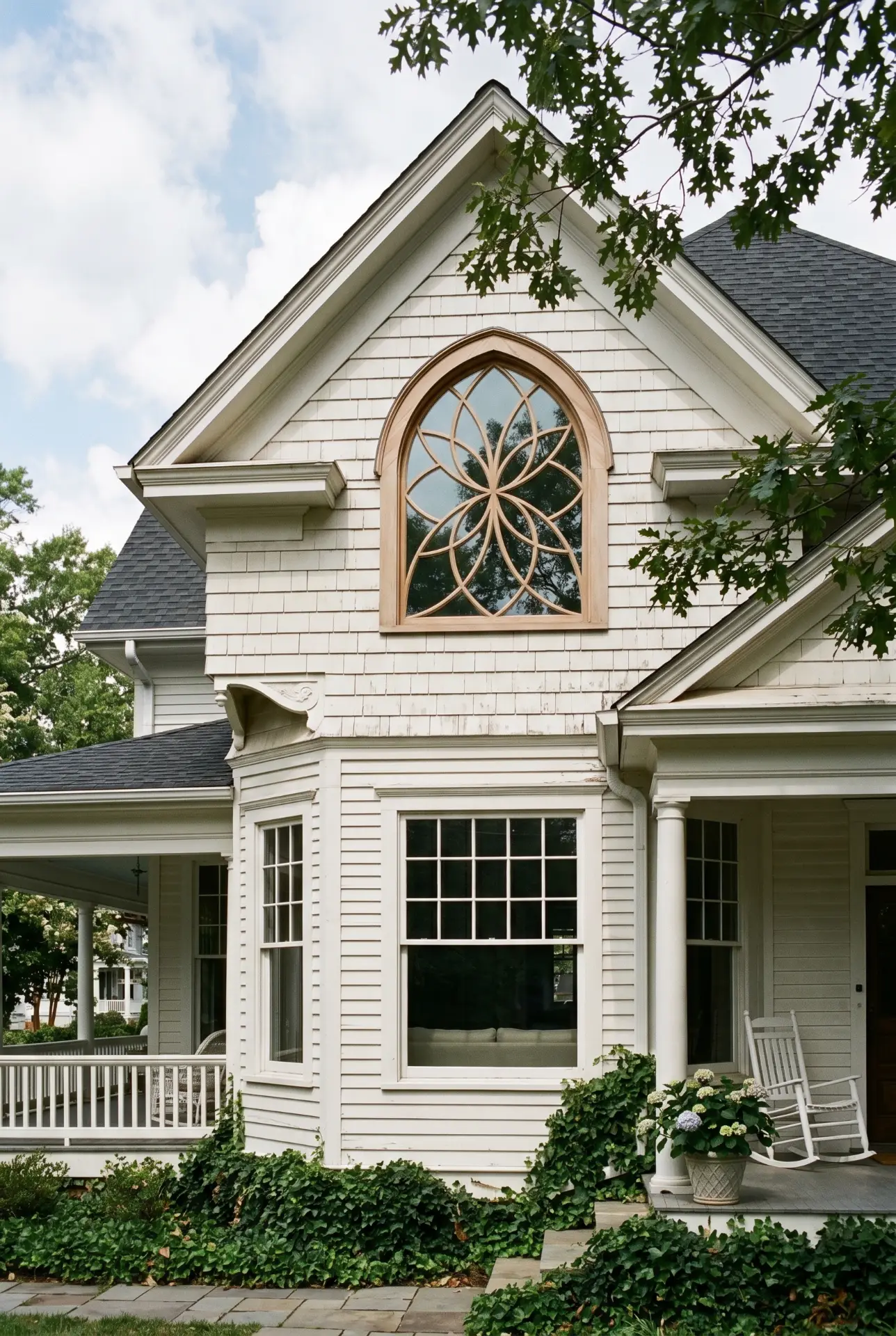
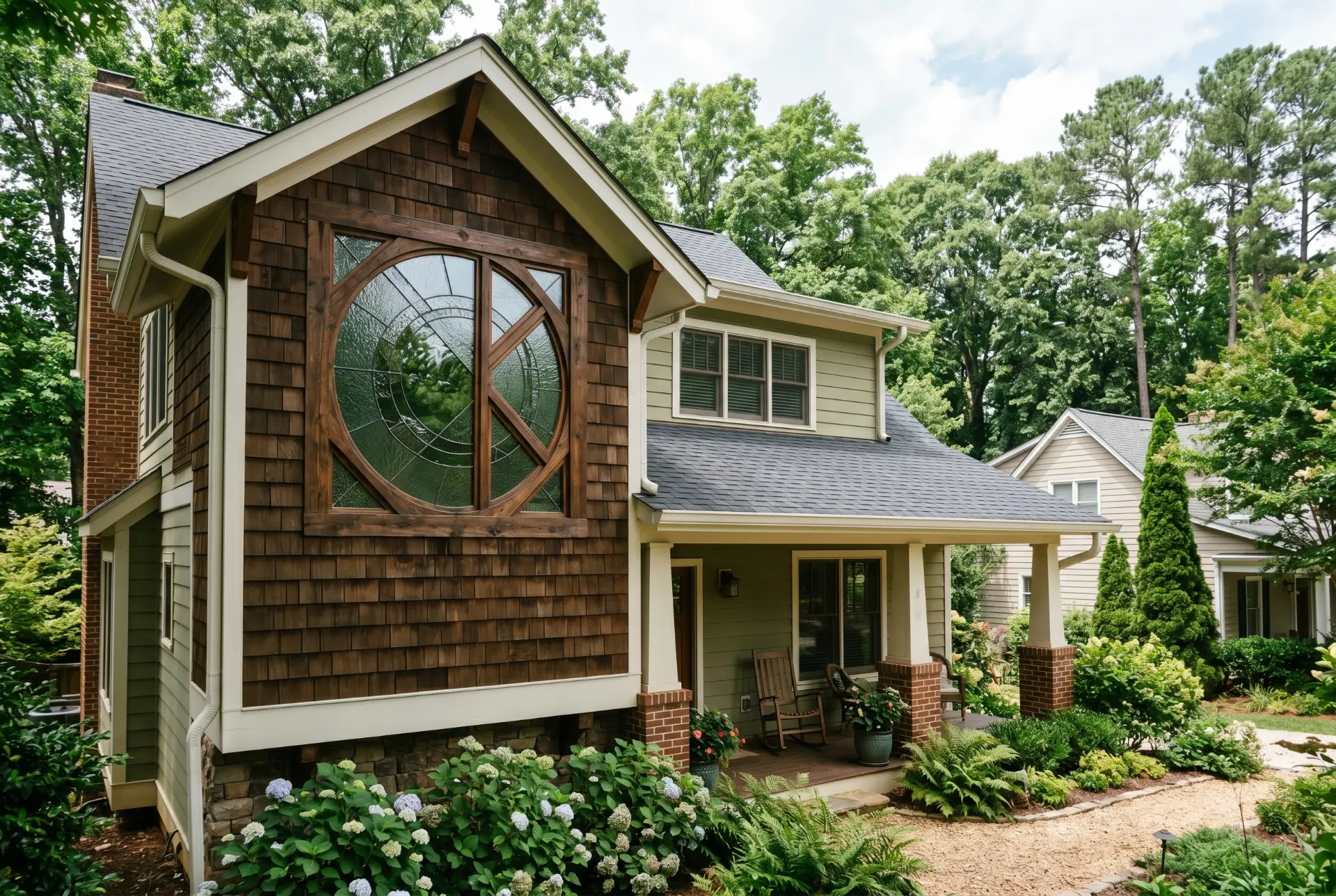
Specialty shaped windows go beyond the traditional rectangular operating styles used throughout most homes.
They can include arches, circles, half rounds, ovals, triangles, trapezoids, eyebrows, octagons, pentagons, and other architectural shapes designed around a particular opening or home style.
Some are completely fixed and exist primarily to provide light and architectural detail. Others may be incorporated into larger window arrangements with operable windows.
Specialty shaped and custom-sized are not necessarily the same thing. A rectangular window built to uncommon dimensions may require custom sizing without being a specialty shape. A triangular, round, or arched window is specialty shaped because the geometry itself is different.
These windows are often among the most visible features of a home, which makes proportion, dimensions, grid alignment, frame profile, glass, and surrounding trim particularly important.

+
Years Experience
Common Custom & Specialty Window Shapes
Arched Windows
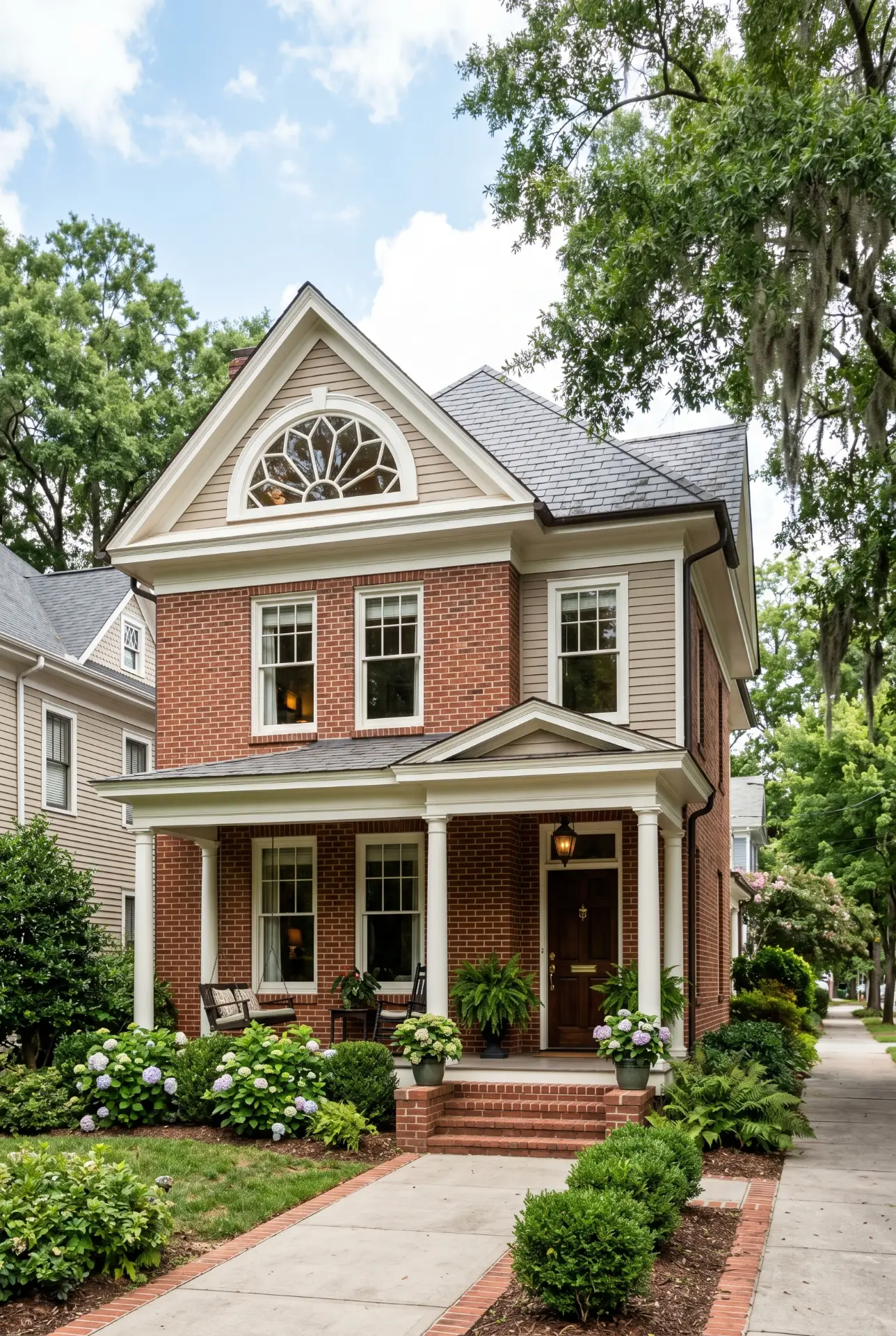
Curved tops soften straight architectural lines and are commonly used above doors, rectangular windows, or as standalone features in foyers, great rooms, and upper elevations.
Round & Oval Windows
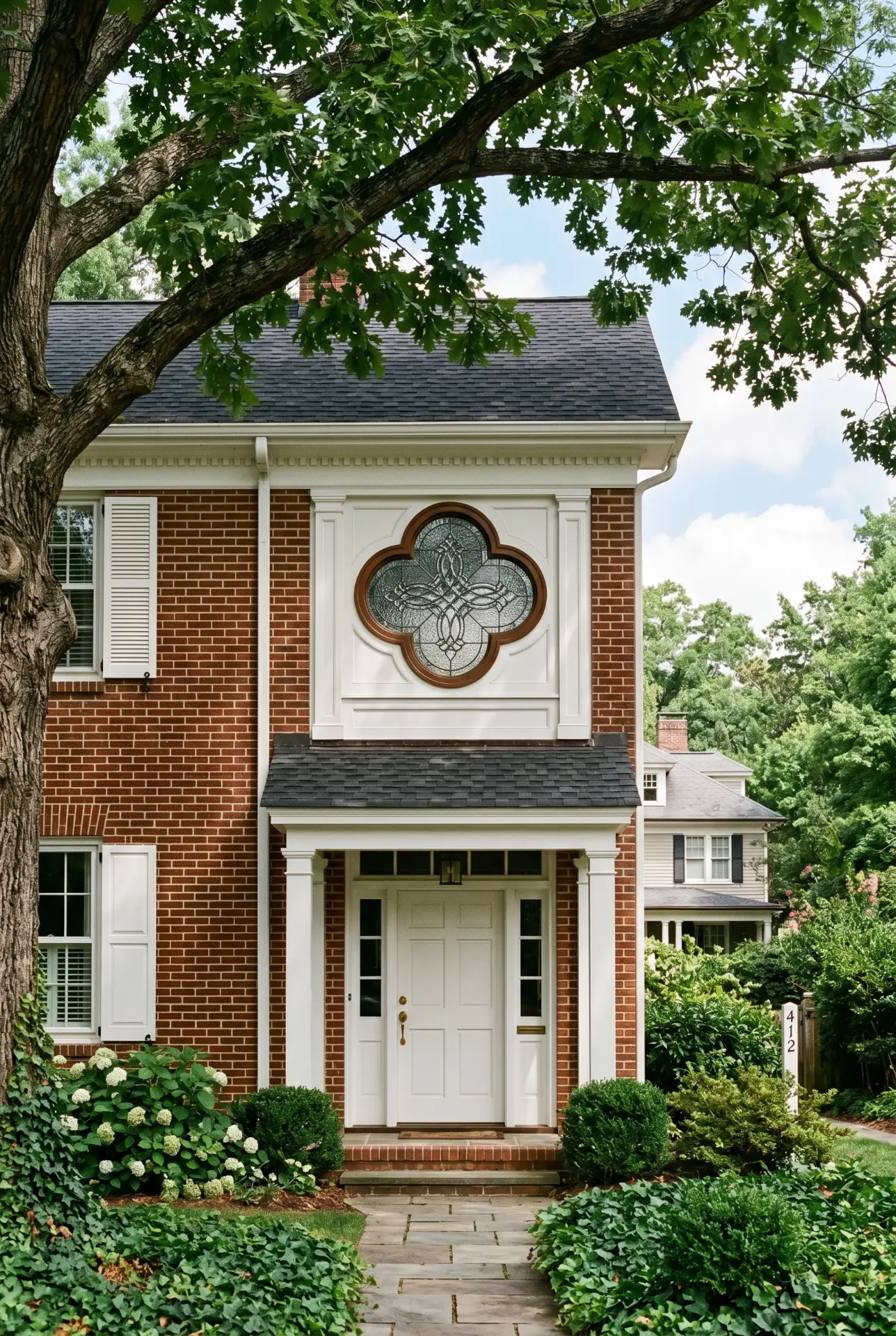
Full circles and ovals can create a distinctive focal point in stairways, bathrooms, gables, hallways, and other smaller architectural spaces.
Triangle & Trapezoid Windows
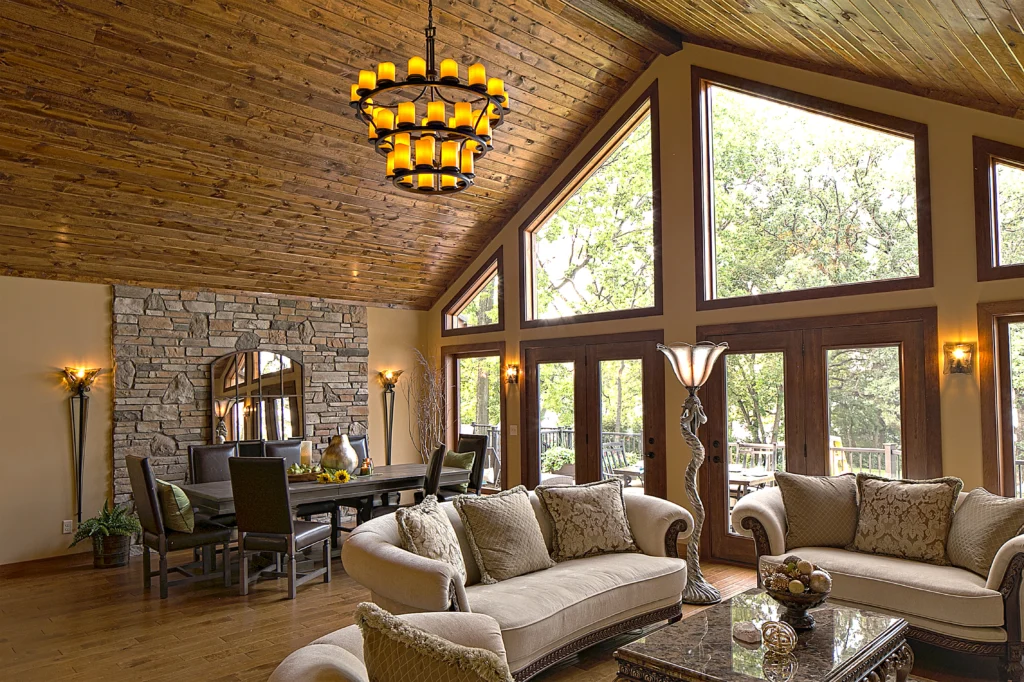
Angled windows can follow rooflines and vaulted ceilings where a standard rectangular unit would leave valuable wall space unused or interrupt the architecture.
Eyebrow & Extended Arch Windows
Eyebrow shapes use a softer, flatter curve than a traditional half round and can complement homes where a full semicircular arch would feel too pronounced.
Octagon & Pentagon Windows
Multi-sided geometric windows can provide a decorative focal point while introducing light into smaller or highly visible architectural areas.
Other Architectural Shapes
Depending on the manufacturer and series, additional forms can include quarter rounds, cathedral shapes, ellipses, hexagons, and other specialty configurations. Availability should be confirmed for the exact size and product being considered.
Do You Need a Custom Size or a Custom Shape?
Homeowners searching for “custom windows” may actually be dealing with two different situations.
A custom-sized window can still be rectangular. The opening may simply be taller, wider, narrower, or otherwise outside a common stock dimension.
A specialty shaped window changes the geometry itself. Curves, angles, multiple sides, and unusual proportions require a product designed specifically around that architectural form.
Some projects involve both. An arched window, for example, may need a particular radius, overall width, height, and leg dimension to fit the intended opening correctly.
That distinction matters because the ordering and measurement process can become more detailed as the geometry becomes more unusual.
Kelly Window & Door helps homeowners identify what the project actually requires before narrowing down materials, brands, glass, and design options.


Replacing a Unique Window Without Losing the Character of the Home
A specialty window often exists because the architecture was designed around it. Replacing that feature with something that is slightly wrong in proportion can change the look of the entire elevation.
Overall shape matters. A half round, eyebrow, triangle, or trapezoid should follow the proportions that make sense for the surrounding architecture.
Nearby windows matter. Frame colors, sightlines, glass, grids, and trim should coordinate with the standard windows around the specialty opening.
Grid alignment matters. When a shaped window sits directly above another window or door, grid patterns should be considered as one composition rather than two unrelated products.
Interior appearance matters too. A prominent specialty window may sit above a staircase, in a vaulted room, or above a larger window arrangement where the frame and trim are highly visible.
The goal is not simply to find something unusual enough to fill the space. It is to select a window that looks intentional from both inside and outside the home.
What Separates One Custom Window From Another?
Shape & Proportion
Two arched windows can have the same width and still look completely different because of the height, radius, curve, or dimensions beneath the arch.
Frame Construction
Material, frame profile, corner construction, reinforcement, and available dimensions vary by product and become especially noticeable on unusual shapes.
Glass & Grid Layout
Curved and angled glass changes how grids and decorative details fit within the opening. The grid pattern should complement the geometry instead of fighting against it.
Measurement & Manufacturing
Complex shapes leave less room for assumptions. Some configurations can be ordered from defined manufacturer dimensions, while particularly unusual curved forms may require additional measurements or even a physical template.


Do Specialty Shaped Windows Open?
Many architectural windows are fixed because their main purpose is to provide natural light, preserve an unusual shape, or complete a larger window design.
A fixed specialty window functions similarly to a picture window: it provides glass and light without an operating sash.
However, specialty does not always mean fixed. Certain manufacturers and product lines offer limited operable architectural configurations, and shaped windows can also be paired with standard operating windows.
For example, a large arch may sit above double-hung windows, while angled fixed glass may be combined with casement windows beneath it.
The right arrangement depends on whether the opening needs ventilation, natural light, a particular view, architectural symmetry, or a combination of those priorities.
Materials for Custom & Specialty Shaped Windows
Not every material, shape, size, or operating style is available in every manufacturer series. Material selection should therefore happen alongside the shape rather than after it.
Vinyl Windows
Wood Windows
Fiberglass Windows
Fiberglass may be appropriate for certain custom window projects depending on the manufacturer, required dimensions, and available shapes.
Glass & Grid Choices Matter More on an Architectural Window
Specialty windows naturally draw attention, which means the details inside the frame can have a significant effect on the final look.
Clear glass keeps the emphasis on natural light and the unusual geometry of the opening.
Low-E and insulated glass packages can be selected based on the exact product, exposure, size, and performance priorities.
Privacy or obscure glass may be appropriate for specialty windows used in bathrooms, entry areas, or other spaces where additional light is wanted without a completely clear view.
Grids should follow the architecture. A radial pattern may reinforce an arch, while simpler grids may coordinate more naturally with the rectangular windows below.
Frame colors and interior finishes should also be considered in relation to the rest of the house. A highly visible custom shape that does not coordinate with neighboring windows can stand out for the wrong reason.
MI currently offers specialty radius products with choices including frame colors, grids, and specialty glass options, illustrating how much customization can exist even within one category of shaped window.
Custom Window Options From ProVia and MI
Kelly Window & Door can help homeowners compare architectural window options from manufacturers including ProVia and MI.
ProVia offers one of the broader current collections of architectural shapes, including round, half-round, quarter-round, octagon, pentagon, cathedral, trapezoid, triangle, eyebrow, oval, and other configurations. Availability varies among Aeris, Endure, Aspect, and ecoLite product families, so not every shape is offered in every series.
MI also offers specialty and radius windows, including circle-top, half-round, archtop, extended archtop, and other curved configurations within applicable product lines.
Rather than beginning with a manufacturer name, Kelly starts with the shape, dimensions, surrounding windows, desired material, glass, and appearance of the home, then helps narrow the options to products that can actually accommodate the project.
Replacing a Large Half-Circle Window High on a Home
A Kelly homeowner, Diane Martin, needed to replace a large second-story half-circle window in a challenging location.
This was not simply a matter of removing one standard rectangular window and installing another. The window’s curved shape, size, height, steep access, and surrounding conditions made planning and installation especially important.
The project also uncovered deterioration around the existing opening that needed to be addressed as part of completing the work correctly.
Projects like this demonstrate why specialty-window replacement often depends on more than selecting an attractive shape. The team needs to understand how the window is configured, how it will be accessed, what surrounds the opening, and how the finished unit will integrate with the home.
For homeowners dealing specifically with this shape, learn more about half-round window replacement.


What Affects the Cost of a Specialty Shaped Window?
Shape Complexity
A basic radius or half round can differ substantially from an oval, eyebrow, trapezoid, or custom curve that requires more specialized manufacturing.
Overall Size
Larger windows require more frame and glass and may introduce additional handling and installation considerations.
Material & Product Line
Vinyl, wood-interior, and other available constructions vary in price, customization, finish options, and available shapes.
Glass, Grids & Finishes
Low-E packages, privacy glass, custom grid layouts, exterior colors, wood finishes, and other selections can affect the final product.
What to Expect From Your Custom Window Project

Evaluate the Opening

Identify Compatible Options

Confirm Measurements & Order Details
