
Sliding Glass Door Replacement & Installation in Raleigh, NC
Get in Touch Today!
Is It Time to Replace Your Sliding Glass Door?
A sliding door does not have to stop working completely before replacement is worth considering. Because these doors combine large glass panels with tracks, rollers, locks, seals, and thresholds, problems can show up in several different ways.
Consider replacement when you notice:
- The door is becoming difficult to slide. A panel that feels unusually heavy, sticks, or requires more effort than it once did can make a frequently used doorway frustrating.
- The door no longer closes or locks properly. Alignment, hardware, and wear can affect how securely the panels meet and lock.
- You feel drafts around the opening. Aging weatherstripping, seals, or poor panel fit can allow unwanted air movement.
- Moisture or fog appears between the panes. This can indicate a failure within the insulated glass unit.
- The frame, sill, or surrounding components are deteriorating. Visible damage or persistent moisture concerns deserve closer evaluation.
- The existing glass or frame feels dated. A new sliding door can change the amount of visible glass, frame profile, color, and overall appearance of the room.
- You want different functionality. Homeowners may want internal blinds, updated locking hardware, a transom, or a different panel configuration.
Not every sticking door means the entire system must be replaced. The bigger question is whether the existing door still provides the operation, appearance, comfort, and features you want from the opening.

+
Years Experience
What Separates One Sliding Glass Door From Another?
Rollers & Operating Hardware
Sliding doors rely on their rollers, track, and hardware every time they are opened. The quality and design of these components can affect how smoothly and consistently the door moves.
Frame & Panel Construction
Frame profiles, reinforcement, internal construction, panel design, and overall rigidity vary between manufacturers and product lines. These differences can influence appearance, strength, and how much glass remains visible.
Glass & Weather Protection
Insulated glass, Low-E coatings, weatherstripping, panel seals, and sill design all contribute to how the complete door system handles outside temperatures, air movement, and weather exposure.
Locks, Handles & Screens
Locking systems, handles, secondary security features, exterior access, and screen construction can all affect how practical the door feels in everyday use.
What Should You Prioritize in a New Sliding Glass Door?
Smooth Everyday Operation
A sliding door may be opened and closed constantly during warmer months. It should move smoothly, close predictably, and lock without requiring unnecessary effort.
Natural Light & Views
Frame profile, panel configuration, grids, and glass selections all influence how open the doorway feels and how much of the outdoor view remains visible.
Comfort & Weather Protection
The glass package, frame, seals, threshold, and installation should work together to help manage drafts, outside temperatures, and exposure around one of the home’s largest exterior openings.
Security & Access
Think about the sliding door as an entrance as well as a source of natural light. Locking hardware, secondary security features, screen use, and exterior access can all matter depending on how the doorway is used.


Sliding Glass Door Configurations for Different Homes
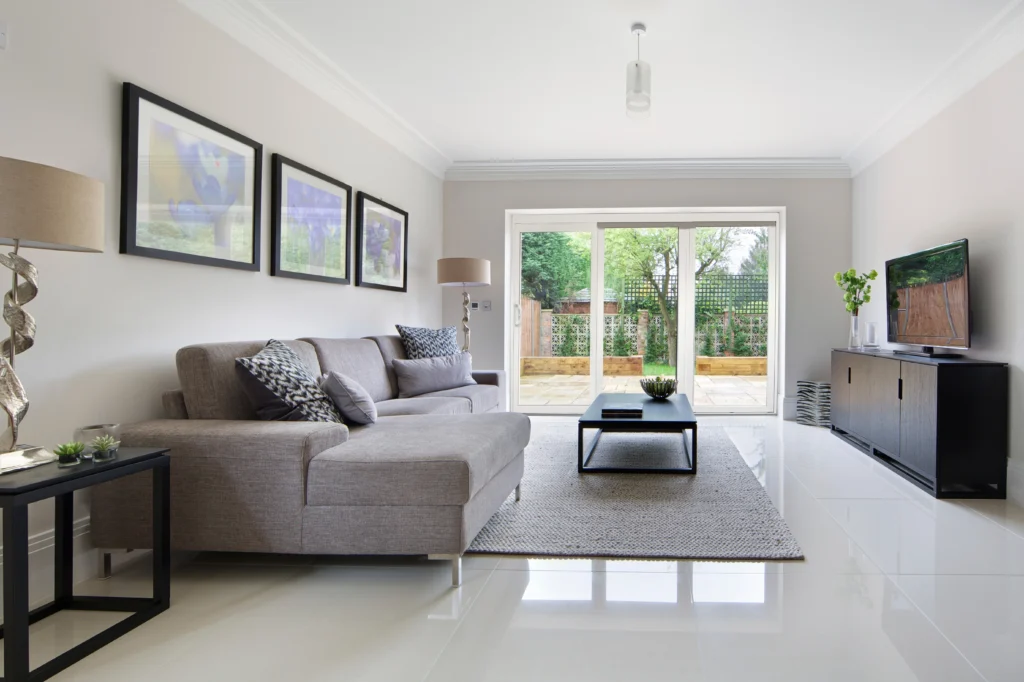
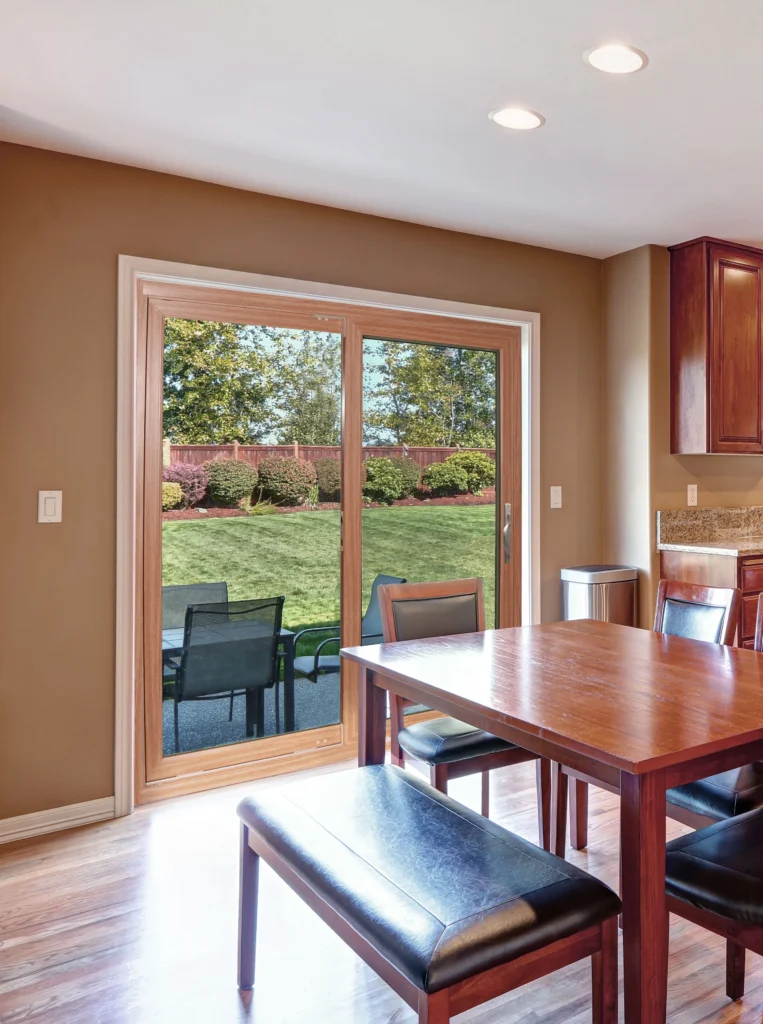
Sliding doors can be designed in more than the familiar two-panel layout. The right configuration depends on the width of the opening, the view, traffic flow, and the specific product selected.
Two-panel sliding doors are the classic configuration, generally pairing an operating panel with a fixed panel.
Three-panel configurations can provide a broader expanse of glass for wider openings while maintaining sliding operation.
Four-panel configurations can create an even larger visual connection between indoor and outdoor spaces, with operating arrangements depending on the selected system.
Transoms add fixed glass above the sliding door, creating additional height and allowing more natural light into the room.
Sidelites may also be available with certain systems when additional fixed glass is desired alongside the operating door.
The best configuration is not necessarily the largest one available. It should work with the proportions of the home, usable wall space, exterior area, and the way people actually move through the doorway.
Glass, Blinds, Grids & Finishes
A sliding glass door occupies a large portion of a wall, so its design details can noticeably affect both the interior and exterior of the home.
Low-E and insulated glass packages can be selected around comfort and performance priorities.
Clear, tinted, or privacy glass may be available depending on the product and the amount of visibility homeowners want.
Blinds between the glass can provide adjustable privacy on applicable products without exposed blinds or cords moving around the operating door.
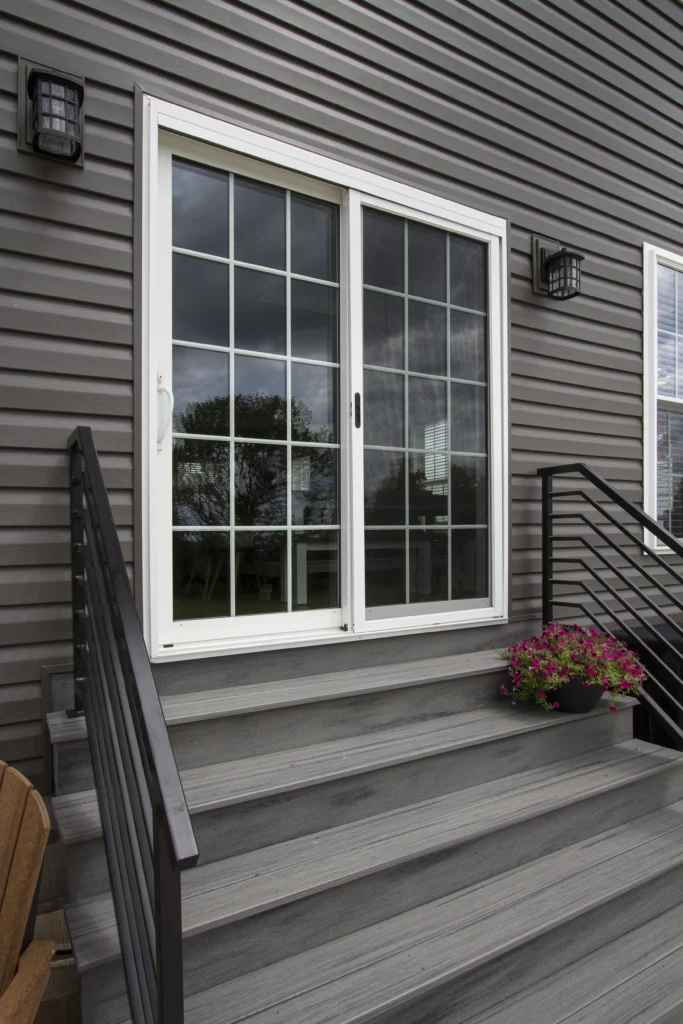
Grid patterns can help coordinate the sliding door with surrounding windows or the architecture of the home.
Interior and exterior frame colors allow the system to coordinate more intentionally with both sides of the opening.
Hardware finishes and handle styles can complement other finishes used throughout the room.
The goal is to select a sliding door that works as part of the home rather than treating it as an isolated piece of glass.
Sliding Patio Door Options From MI and ProVia
Kelly Window & Door offers sliding patio door options from established manufacturers including MI and ProVia, giving homeowners the ability to compare different configurations, glass packages, design features, and product levels.
MI sliding doors can be a natural fit for homeowners already considering MI windows or planning a coordinated window-and-door project. Depending on the selected series, available options can include different panel configurations, glass packages, grids, frame colors, and hardware.
ProVia also offers sliding patio door systems with different levels of customization. Depending on the product selected, options can include multi-panel layouts, transoms, sidelites, glass packages, hardware choices, frame finishes, and blinds between the glass.
Rather than choosing based on the manufacturer name alone, Kelly helps homeowners compare the specific door series, configuration, glass, operation, and design features that make sense for the opening.
Sliding Glass Doors vs. French or Hinged Patio Doors
Both configurations can connect a home to a deck, patio, porch, or backyard, but they work very differently.
Sliding glass doors move horizontally along a track, so they do not require interior or exterior swing space. Their large glass panels can provide expansive views and make them particularly useful where furniture, patios, or walkways make swing clearance important.
French doors use hinged operation and create a different architectural appearance. They require enough space for the operating panels to swing freely and may be preferred when the doors themselves are intended to become a more prominent design feature.
The better option comes down to available space, architectural style, preferred operation, desired glass area, and how the doorway is used.
If you are still deciding between configurations, explore Kelly’s broader patio door options.
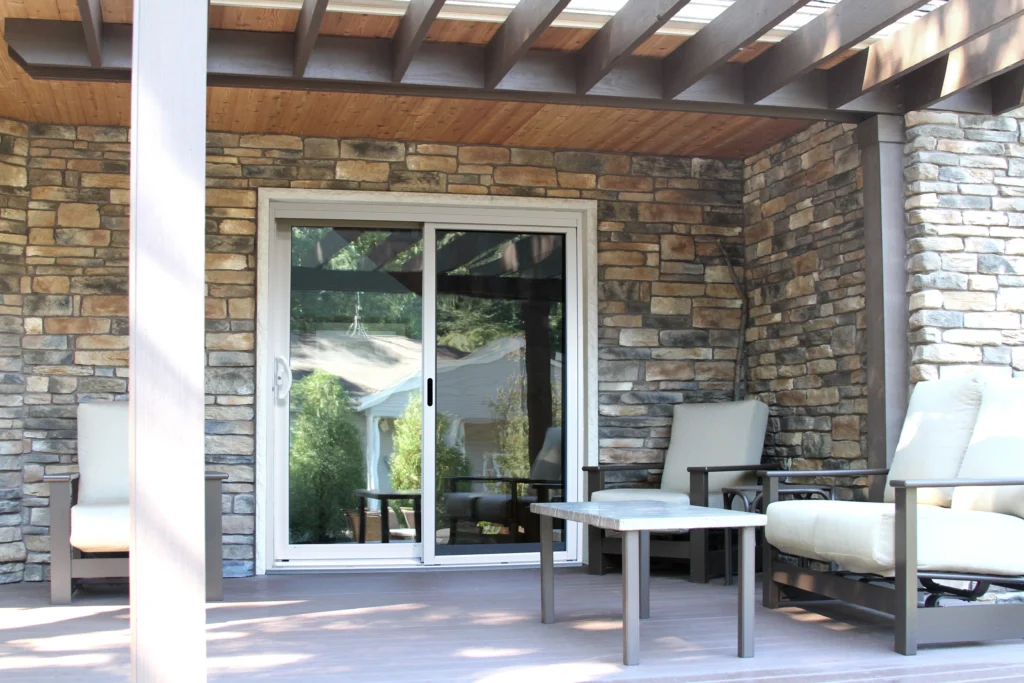
A Sliding Glass Door With a Transom & Upgraded Glass
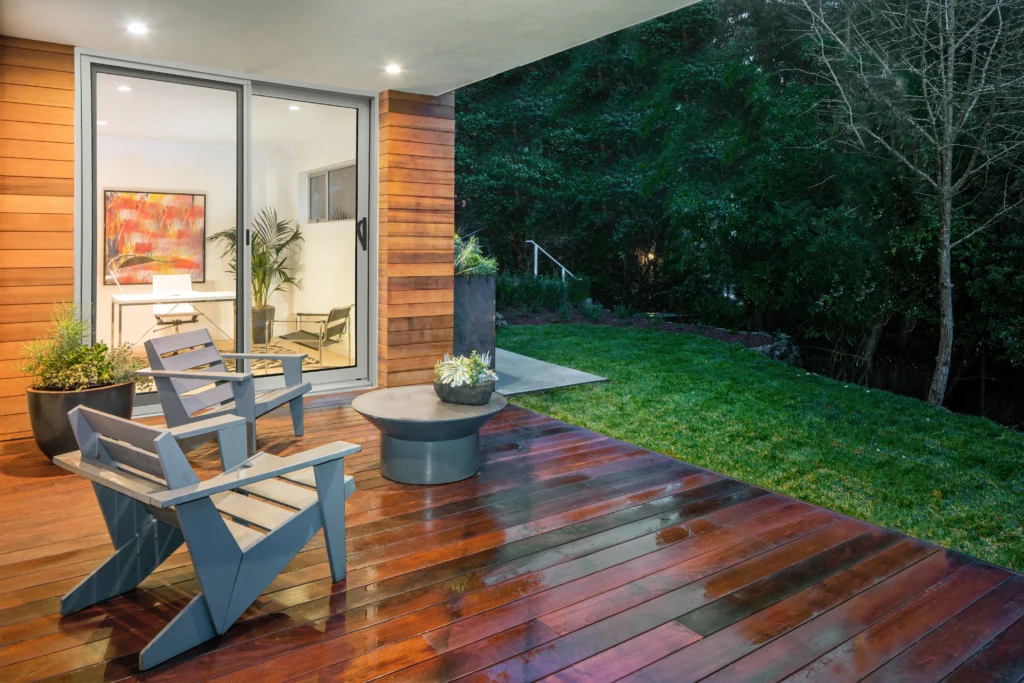
For one recent Kelly project, homeowner Pamela Diaz replaced an existing patio opening with a new sliding glass door and transom.
Rather than selecting the most basic slider available, the project included an upgraded product and glass selected around the homeowner’s priorities, including UV-related glass features. The transom extended the glass area above the operating door, allowing the finished opening to bring in additional light while maintaining the practical sliding configuration below.
Pamela also highlighted the smooth operation of the finished door, an especially important detail for a large sliding panel that will be used regularly.
The project is a good example of why choosing a new sliding glass door involves more than frame color. Configuration, glass, operation, and the proportions of the complete opening can all shape the finished result.


Performance Depends on More Than the Glass
Because a sliding patio door can contain such a large amount of glass, homeowners often focus heavily on the glass package when comparing products. Glass matters, but the finished system also depends on the frame, seals, weatherstripping, panel alignment, sill construction, operating hardware, and installation.
Low-E coatings and insulated glass can be selected around factors such as heat transfer and solar exposure, while the frame and weather seals help manage air movement around the perimeter of the door. Proper panel alignment also matters because a door that does not sit correctly within its frame may not seal or lock as intended.
The location of the door should also be considered. A large west-facing slider receiving strong afternoon sun may present different priorities than an opening protected beneath a covered porch.
For that reason, Kelly approaches the sliding door as a complete system rather than assuming one feature or one efficiency label tells the entire story.
What Affects the Cost of a Sliding Glass Door?
Door Size & Configuration
A standard two-panel slider, wider three-panel system, and large four-panel configuration involve different amounts of material, glass, hardware, and installation work.
Product Line
Different manufacturer series offer different construction, frame designs, hardware, customization options, and feature levels. Two doors from the same manufacturer may still be substantially different products.
Glass & Built-In Features
Glass packages, Low-E options, privacy features, internal grids, and blinds between the glass can all influence the finished system.
Transoms & Sidelites
Adding fixed glass above or beside the operating door increases the size and complexity of the complete opening.
Colors, Hardware & Screens
Frame finishes, handle selections, locking features, and screen options can change both the appearance and functionality of the door.
Sliding Glass Door Installation Matters
Accurate Measurements
The door system needs to fit the opening correctly before the panels can operate, seal, and lock as intended.
Level & Alignment
Sliding panels rely on proper alignment. Small inconsistencies can affect how the door travels along its track or meets the locking side of the frame.
Threshold & Exterior Details
The sill sits directly at the transition between interior and exterior spaces, making drainage, sealing, and surrounding finish work important parts of the installation.
Final Operation & Hardware Check
Before the project is complete, the panels, locks, handles, screens, and other operating components should be checked to make sure the finished system works as intended.
What to Expect From Your Sliding Glass Door Project

Start With an In-Home Consultation

Compare Door Options

Final Measurements & Ordering

Installation & Walkthrough
Compare Sliding Patio Doors at Our Cary Showroom
Sliding doors are one of the products homeowners benefit from seeing and operating in person. Frame profiles, handles, rollers, glass, locks, and panel movement can all be difficult to judge from photographs alone.
At the Kelly Window & Door showroom in Cary, homeowners can compare available door options, get a better sense of how different systems operate, and look at design details such as glass, hardware, grids, and finishes before finalizing a project.
The showroom can be especially useful if you are deciding between product lines or between a sliding system and another patio-door configuration.

A Stress-Free Sliding Door Project With Local Support
Kelly Window & Door’s Stress-Free Guarantee is built around making each stage of the project easier to navigate, from comparing products and design options through ordering, installation, communication, and the final walkthrough.
That support continues after installation. Sliding door warranty coverage can vary by manufacturer, product line, glass, hardware, finish, and other components, so Kelly does not rely on one blanket warranty promise for every system. Instead, the team remains a local point of contact when product or warranty questions come up.
Learn more about Kelly’s warranty support.